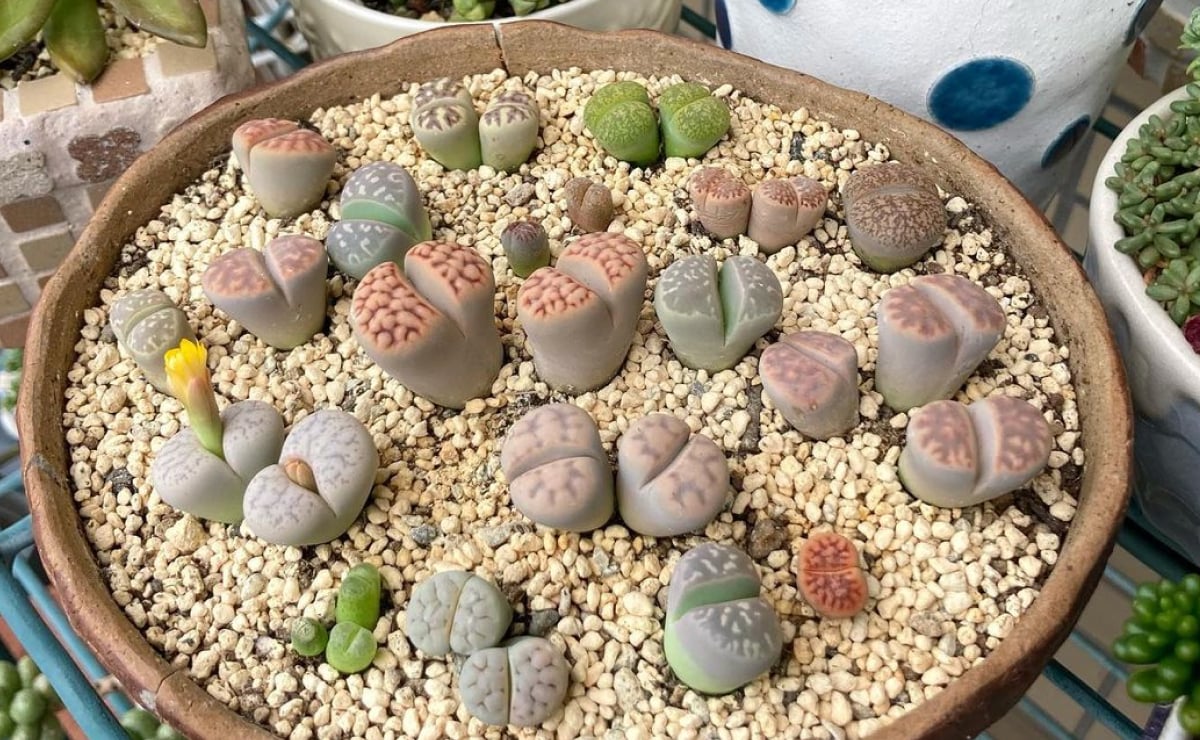
With a well-differentiated shape, reminiscent of the look of a stone, lithops is a type of succulent. There are thousands of species, which vary in sizes, colors and textures. Get to know its main features, see cultivation tips and photos to be surprised by this plant:
What is the lithops succulent: the plant that looks like stone
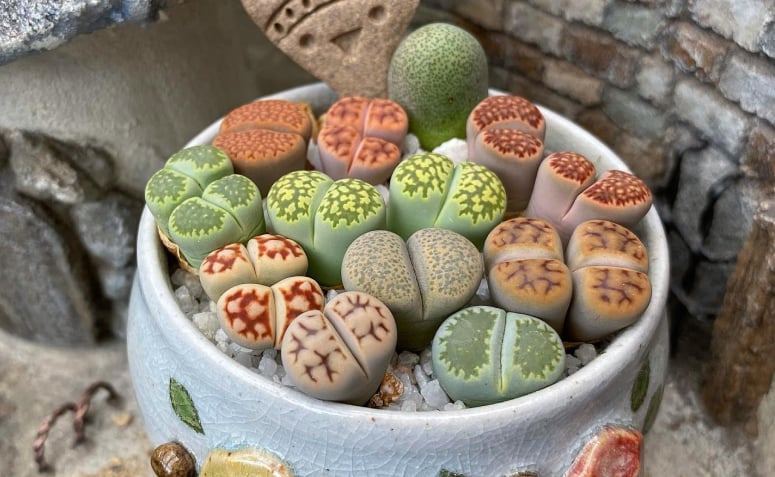
Lithops is a type of succulent from the arid regions of Africa. Normally, each specimen has two pairs of leaves joined at their base and a small gap between them. Like its name, which comes from the Greek and means “stone face”, lithops has a rocky appearance. It is easily camouflaged in the ground, so it is popularly known as live stones or stone plant. Common seedlings cost around R$30, but rarer species of the genus can cost up to R$100.
How to care for lithops: tips for growing at home
Growing this little plant can be as fun as it is challenging. See the main basic care to have one or more lithops:
- Lighting: It should be grown in places with plenty of light. If you get direct sunlight, let it be in the morning.
- Watering: It is necessary to pay attention to the development of the plant for the accomplishment of the irrigations. When new leaves appear and until the end of the process of replacing the old ones, watering must be cut. The plant should also not be watered during the winter. In other periods, watering can be done once a week, but only add water if the soil is dry.
- Substrate: a sandy substrate is recommended, with a mixture of topsoil, sand and perlite. The soil must also be well drained to prevent water accumulation.
- Fertilizing: lithops are plants with a dry climate and nutrient-poor soil, so they are not very demanding in terms of fertilization.
- Pests and Diseases: Excess water is the main cause of diseases in this type of plant. Excessive moisture can favor the appearance of pests and cause root rot. Lithops can also suffer from the attack of mites, to fight them, use products with Neem oil.
- Change: unlike many succulents, lithops seedlings cannot be made from the leaf. The easiest way to get a new seedling is to buy seeds. You can buy them, but you can also get them by hand pollinating between two flowering plants.
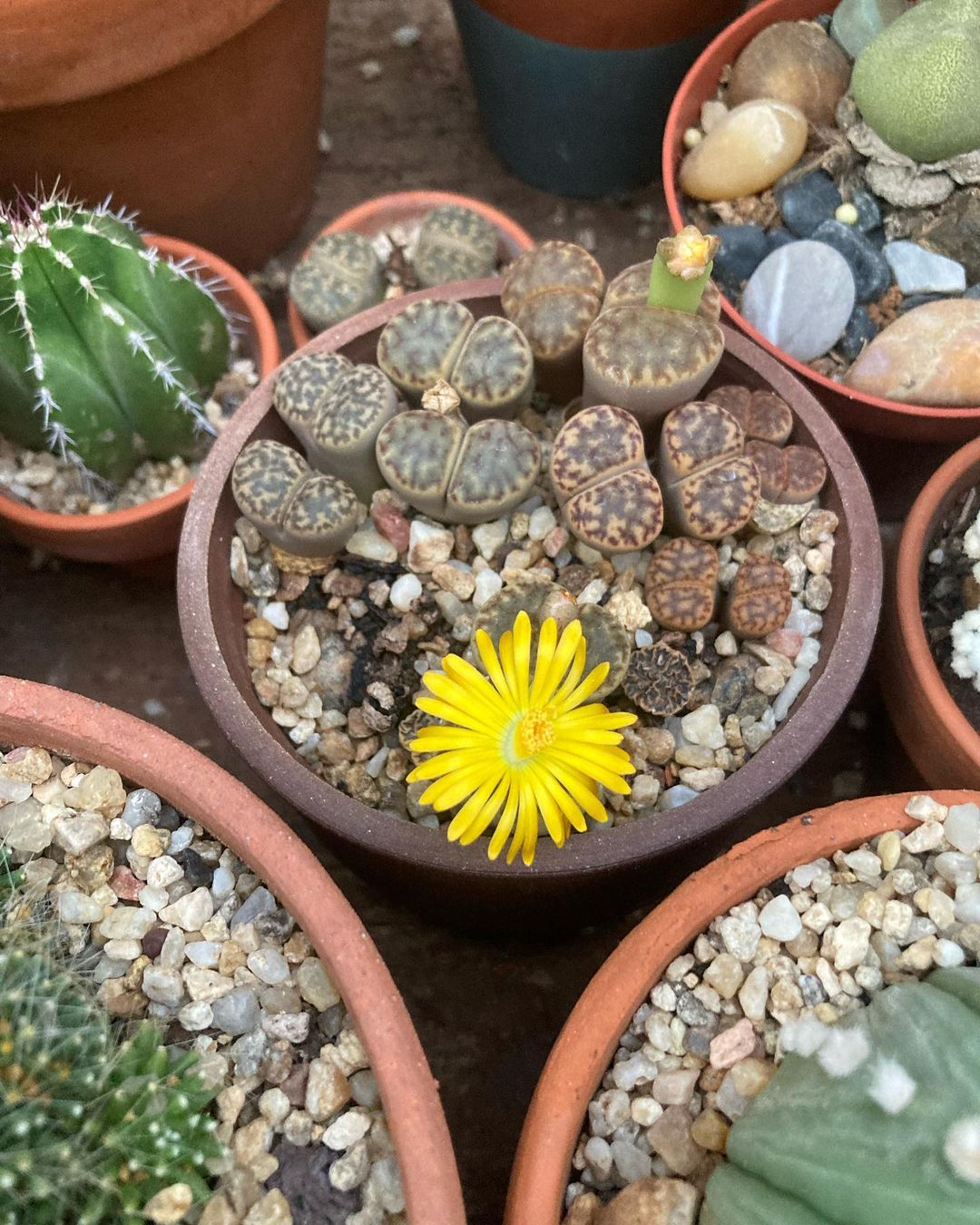
- Flowering: usually happens in autumn and early winter. Its flowers vary between types and can be yellow, white or orange. They open on sunny days, close in the early evening and last approximately 5 days.
In general, care is simple and similar to other types of succulents. It is important to be aware of the climatic conditions of your region, amount of water, in addition to monitoring the development of the plant. That way, you will have a good flowering crop!
Learn about lithops and grow this rare succulent
In addition to the care tips already presented, you can discover several ways to cultivate and more important information about this plant. For that, just check out the videos below:
How to assemble a lithops basin
Lithops look great grown in sets. You can plant several specimens in the same basin. See how to ensure good drainage in the vase, follow the preparation of a suitable substrate and find out how to plant correctly. Also, check out more tips for growing these succulents.
How to grow lithops with akadama
Check out practical tips to plant and grow lithops in a simple way. The video features a type of Japanese substrate, known as akadama, which does not retain moisture and is great for this plant. Also, find out what are the best places to put your vase.
How to plant lithops seeds
One way to start growing lithops is from their seeds. In the video, follow the step by step to successfully plant and germinate your new seedlings. Although simple, this method requires patience to follow the development of the plant.
When to water lithops?
Lithops watering raises many questions. In this video, you will understand the needs of the plant. Take advantage of the tips to understand when to water your stone plant or not!
Despite being easy to grow, lithops require a little more attention and patience than other plants. However, with all these tips and information, you can now set up a mini-garden in a vase. In the next topic, see inspirations:
10 photos of lithops that will make you want one
Small and with an incredible look, lithops will be a hit among the plants in your garden. See photos and be amazed at the beautiful specimens of this little plant:
1. There are several species of lithops
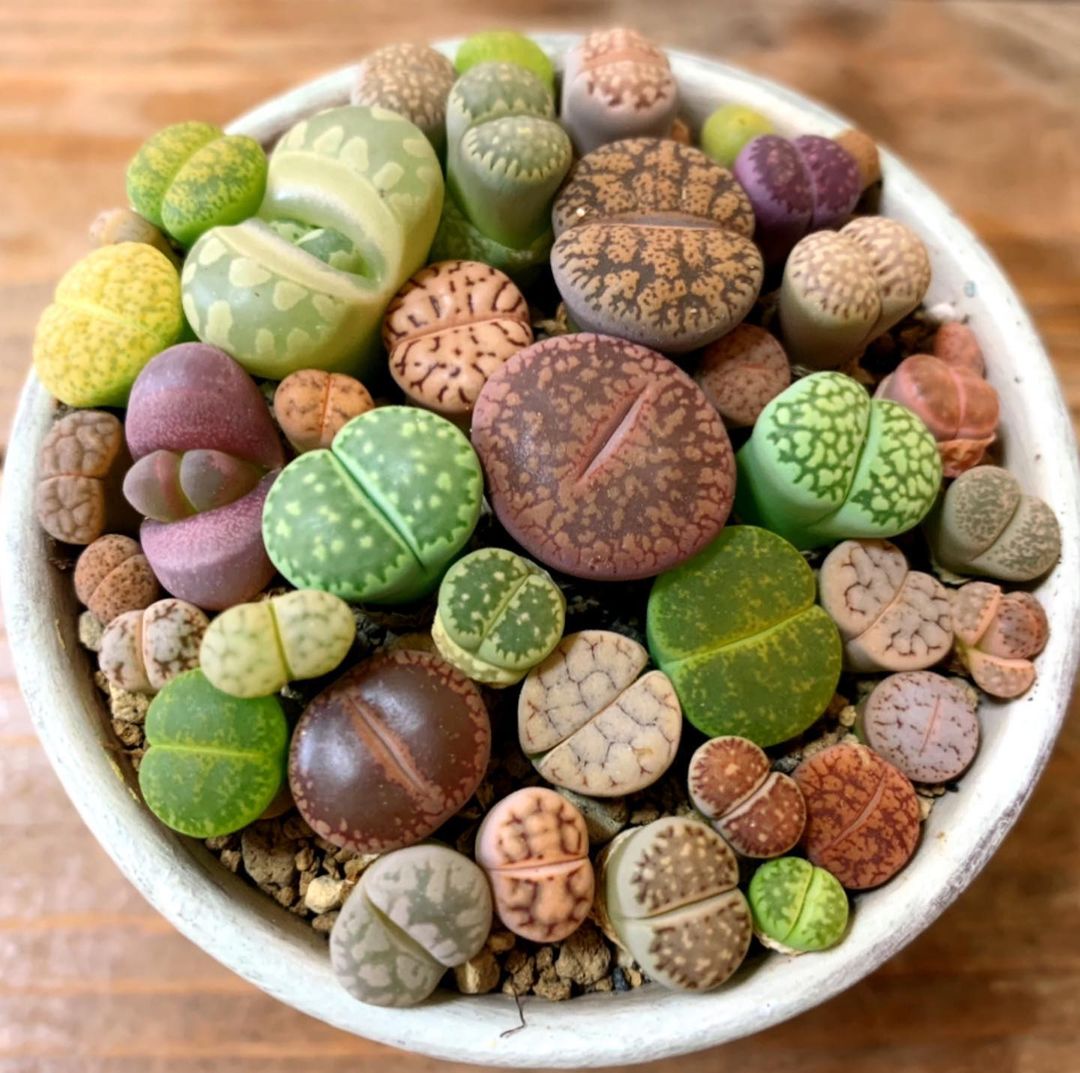
2. Small plants look like rocks
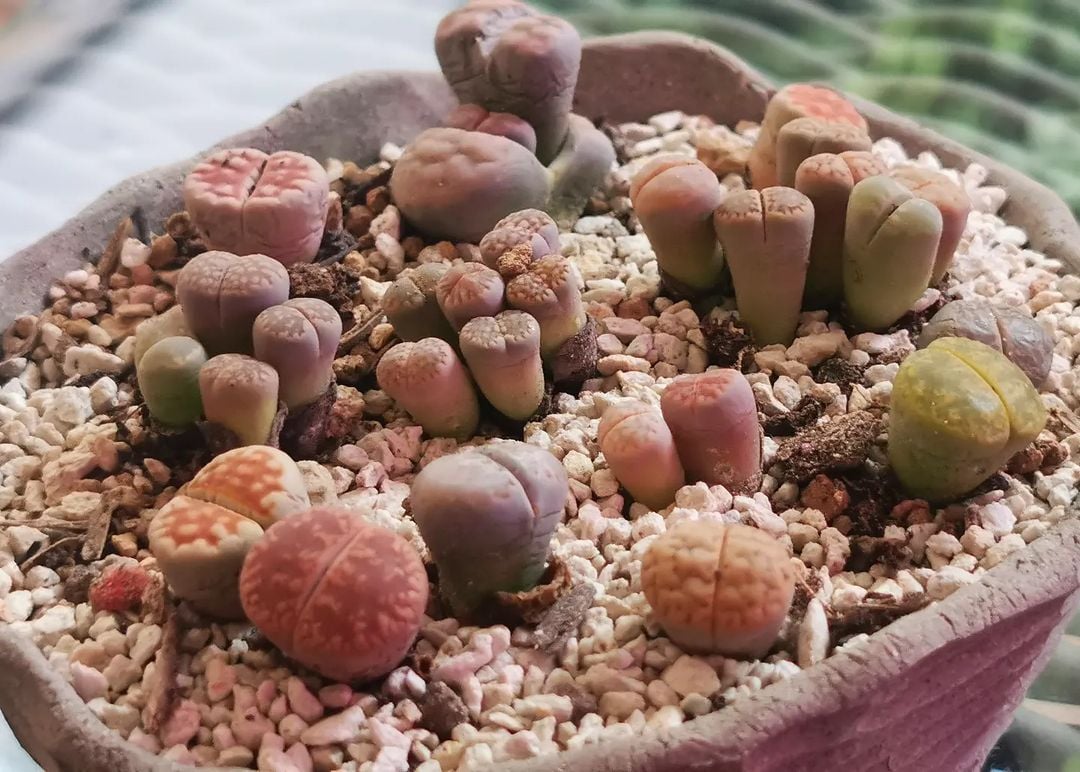
3. Enchant with different colors
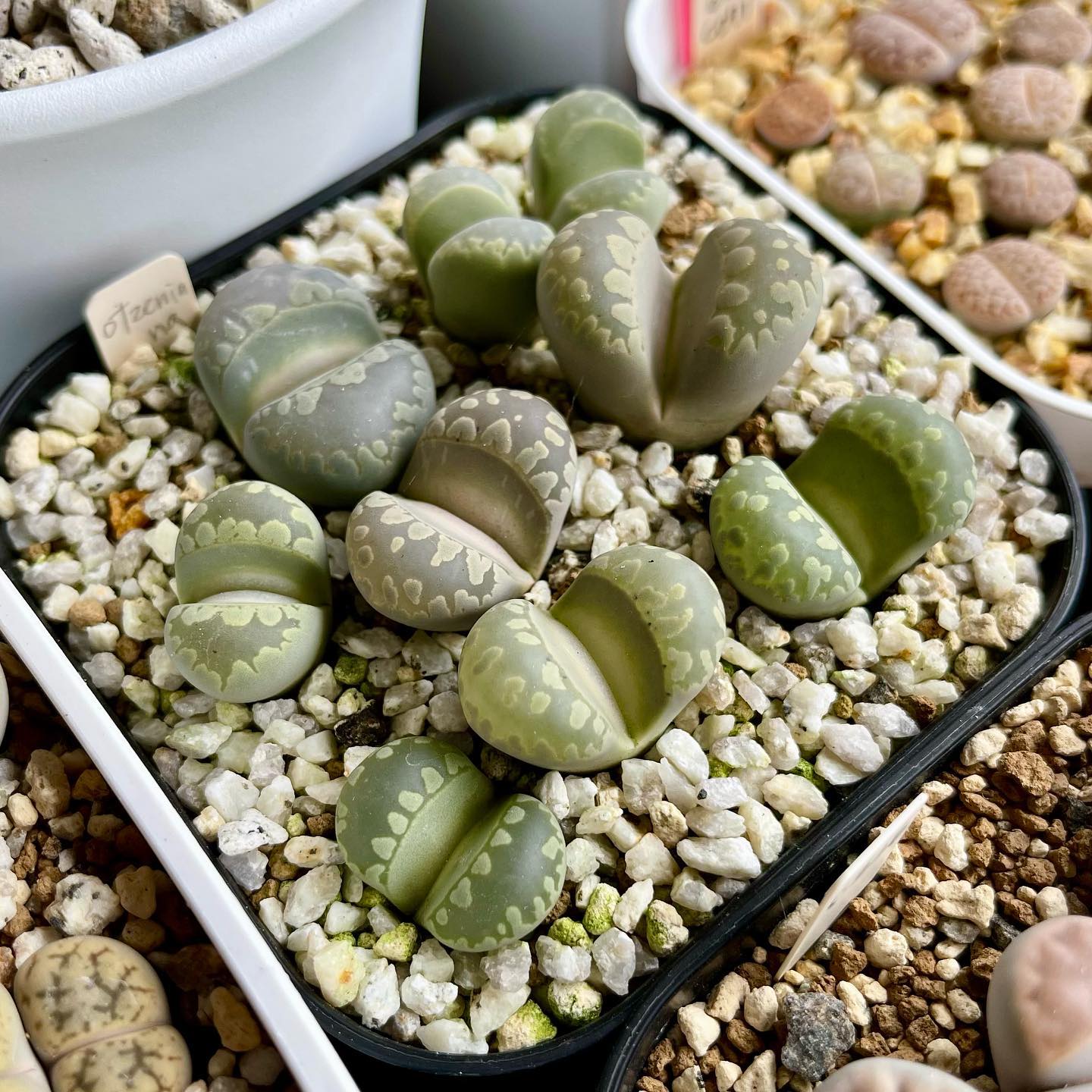
4. And fascinate with an unusual format
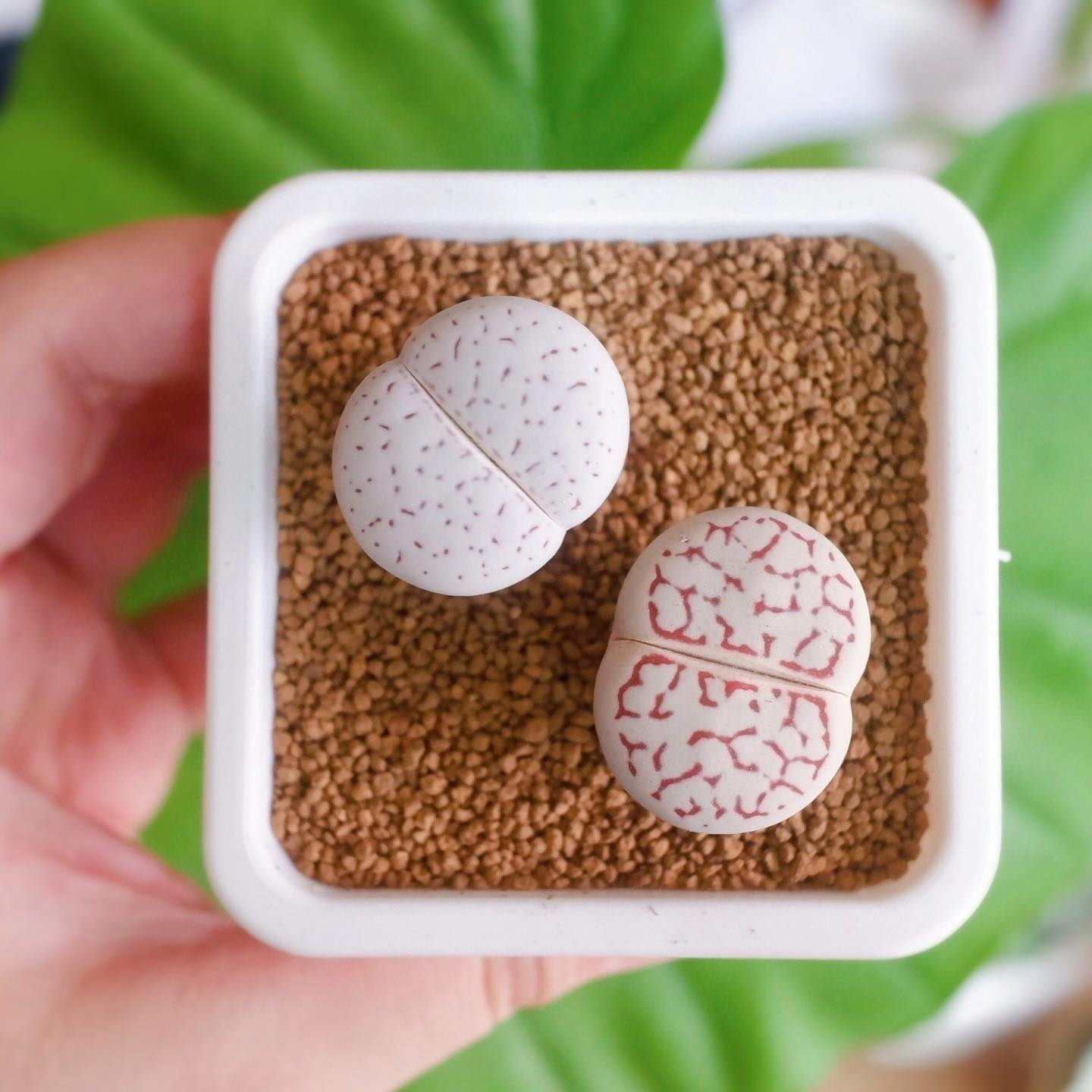
5. There are delicate specimens with surprising designs
6. Flowers that conquer all plant lovers
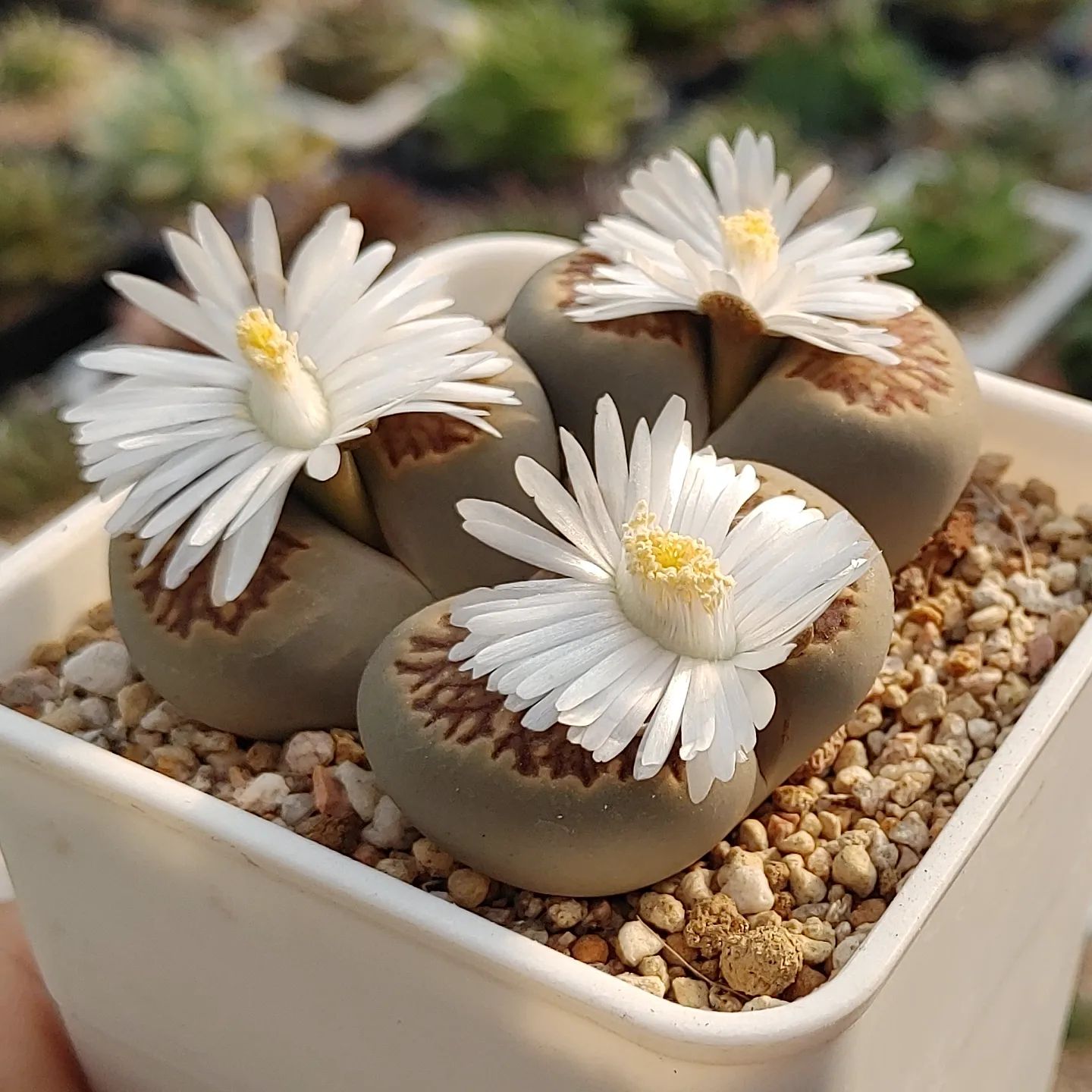
7. You can grow several in the same pot
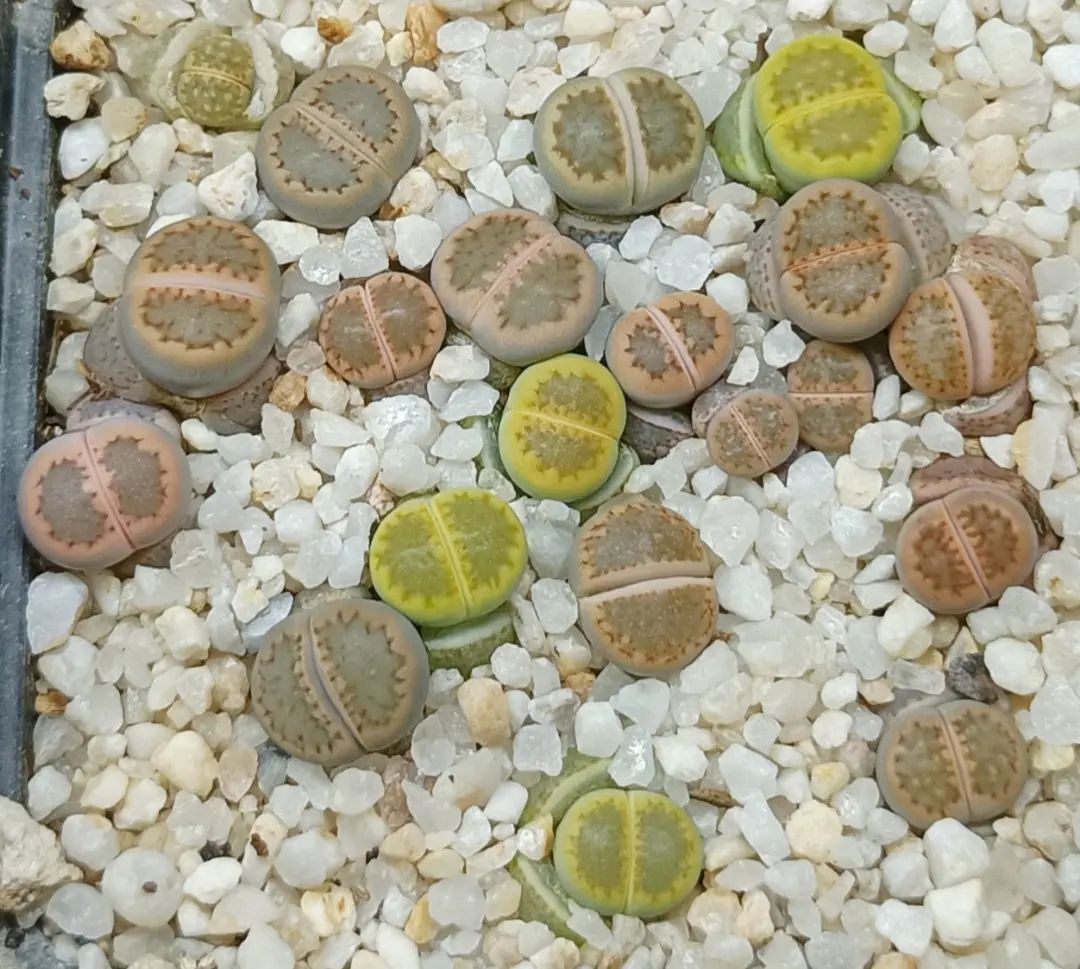
8. And set up a mini-garden full of colors
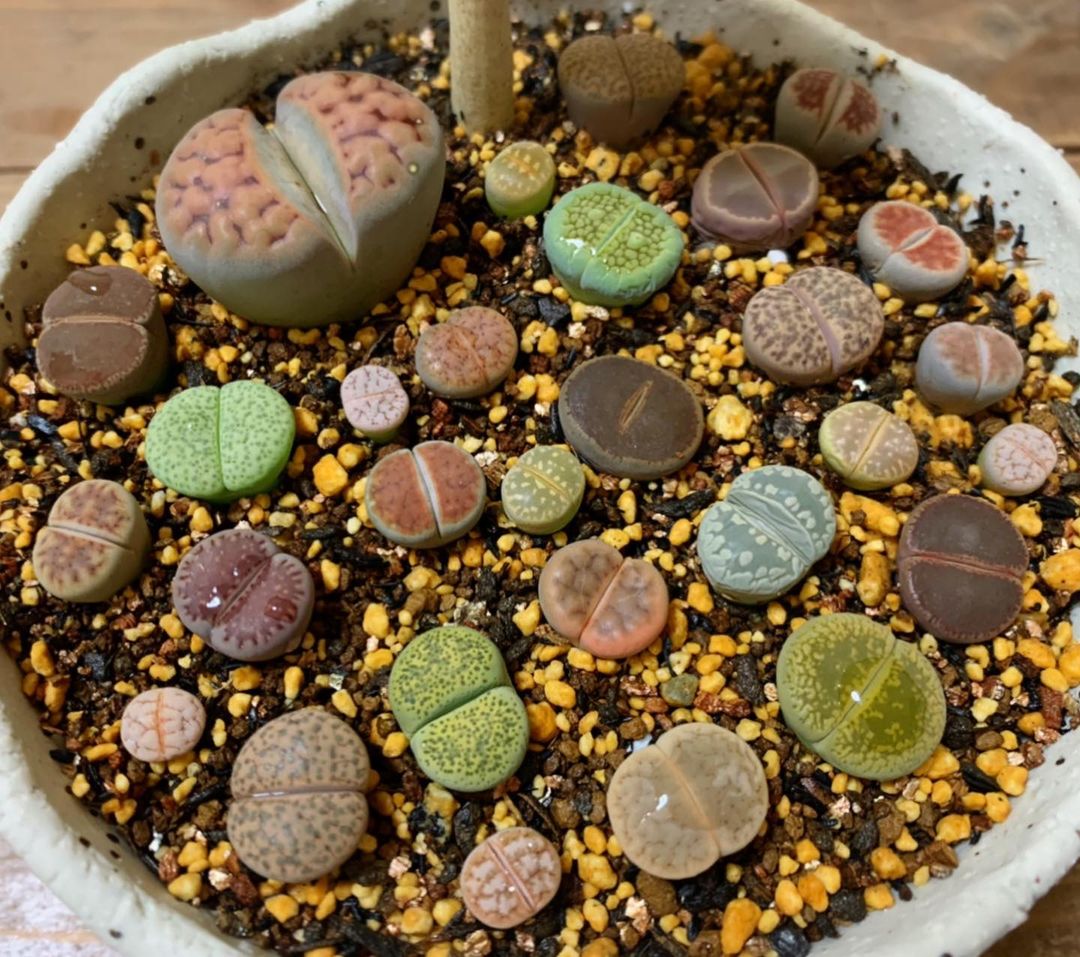
9. Your camouflage power is amazing
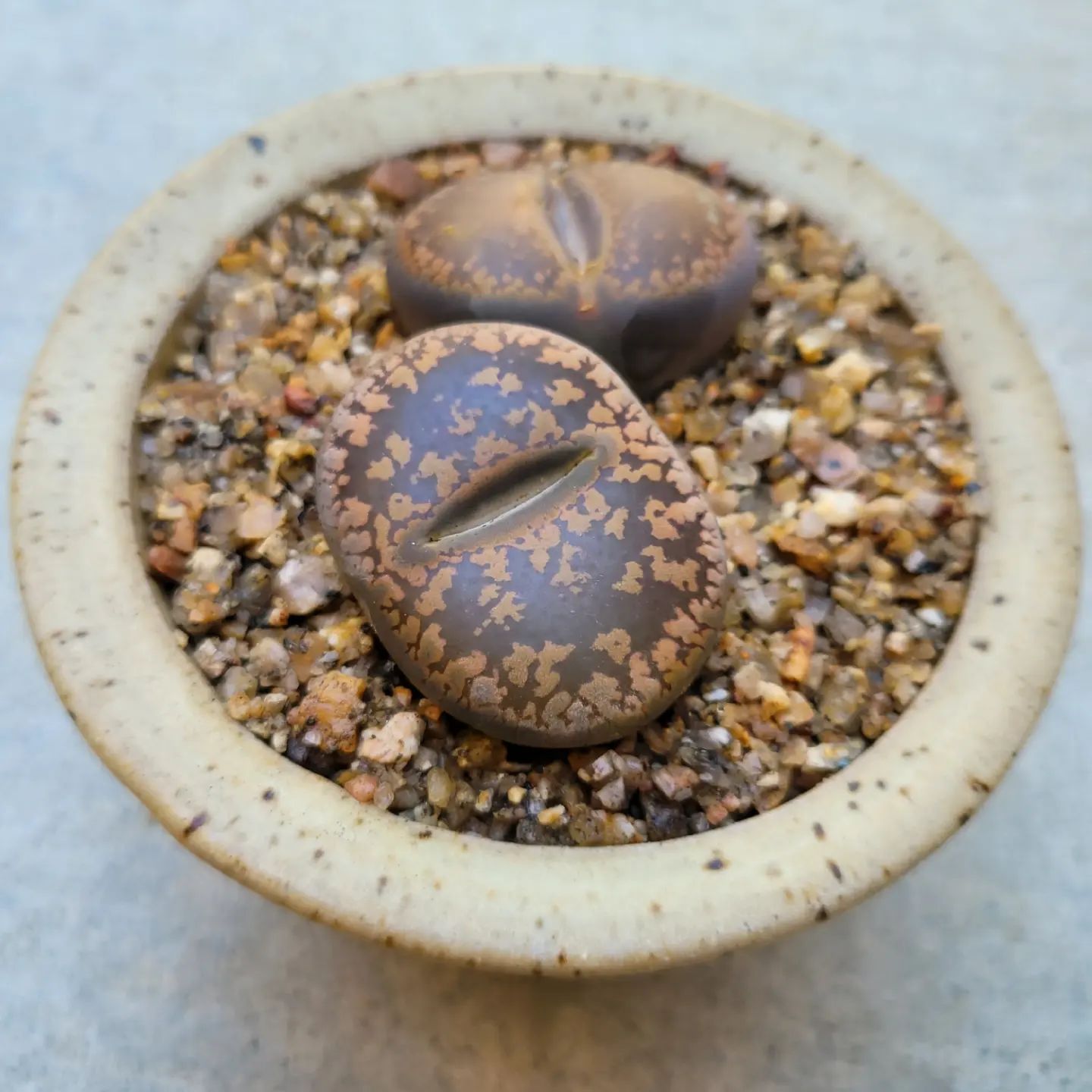
10. Surrender to the exotic charm of lithops!
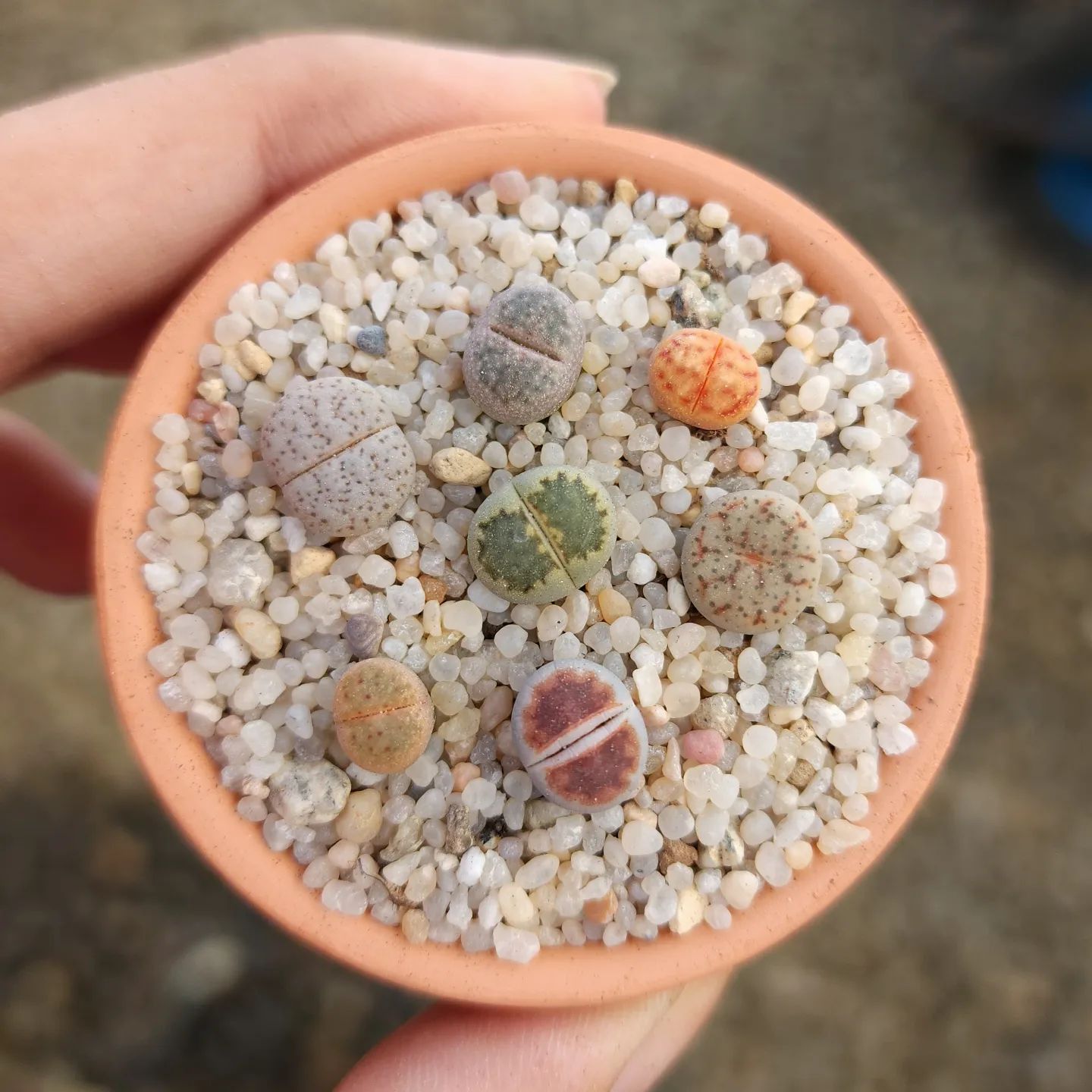
There are several species of lithops, which surprise with different shapes, colors and textures. There are so many options that you’ll love starting a new collection! Enjoy and also see suggestions of pendant succulents to decorate your home.