
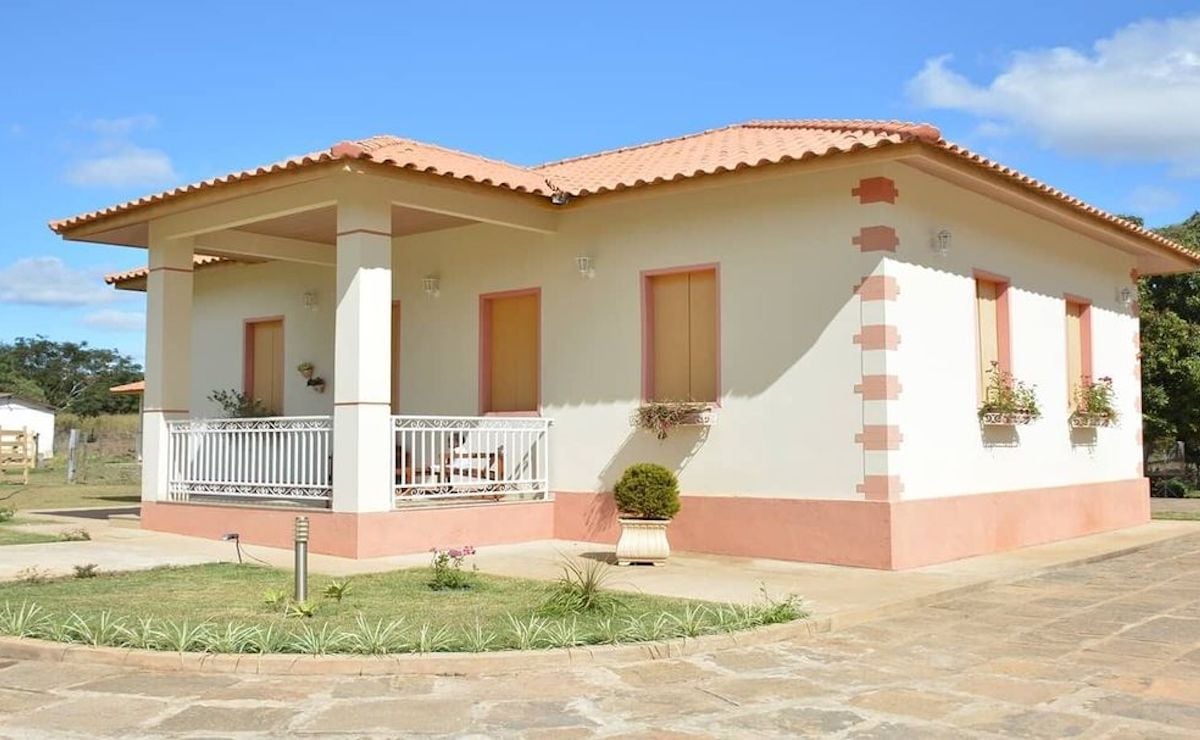
The colonial tile is already an old acquaintance of Brazilians. Traditionally, it is present on residential roofs and gives a vintage look to the facade. In addition to aesthetics, there are several advantages that the Architecture Triad will show in detail in this matter. Follow up!
What is colonial tile
Although the name is self-explanatory in terms of aesthetics, the colonial tile has unique characteristics, offering quality and safety to the construction. “This tile model has a deep channel, thus avoiding the accumulation of water, in addition to having a format that facilitates installation by means of fitting (between each unit)”, explains the architect duo.
Types of colonial tile
The colonial tile has its creation record in China, precisely in the Neolithic period. It quickly became popular throughout the Middle East, Asia and Europe. In Brazil, during the colonial period, slaves made tiles by hand. It was not until 1841 that they began to be manufactured uniformly and mechanically. “At that time, the aesthetic evolution of the colonial tile allowed the fit between them to become perfect”, explains the professionals. Thus, over the years, different models have emerged:
ceramics
“Also known as a clay tile, the ceramic piece is the most traditional of tiles. It has a rounded shape and reddish color, weighing between 2.5 and 3.6 kg. In addition, it offers high resistance and does not require much maintenance”, explains Tríade Arquitetura.
enameled
According to the professionals, the enameled tile is also made with ceramic, but receives a special treatment on the surface. With this, it offers more advantages, such as high waterproofing, diversified colors and a finish without porosity, preventing the accumulation of dirt and ensuring that the look looks “new” for longer.
PVC
PVC tile is made of resin and has different shades, in addition to being more resistant. “Putting it on the tip of the pencil, this option offers the lowest cost, as it requires a much simpler structuring. However, because it is lighter, it can move more easily with heavy rains and winds”, say the architects.
square
The square tile only differs from the others because of its shape. It can be made from different materials. In addition, it offers a more current aesthetic, especially when the color chosen is dark.
Among the different types of tiles, the colonial model is ideal for regions where the rains are intense, as it has a high flow rate and resistance. In addition, it offers greater convenience in installation.
Frequently asked questions about colonial tile
Tríade Arquitetura clarified the most common doubts about colonial tile, from values to maintenance. Follow and analyze if the model is the best option for your construction:
Tua Casa – How much does a colonial tile cost on average?
Architecture Triad – It will depend on the model, size and finish. Approximately, ceramic tile costs between R$1.60 to R$2 a unit, enamelled from R$3 to R$5 a unit and PVC tile R$105 – the equivalent of 2m².
TC – How many colonial tiles do you usually have per square meter?
OK It depends on the size of the tiles chosen, the slope of the roof and the amount of water. For slopes between 20 and 25%, about 24 tiles per square meter are used.
TC – For which buildings is colonial tile suitable?
OK For all types of constructions, especially for homes, as it provides a more cozy aesthetic, with reinforced coverage. However, the workforce is usually slower.
TC – What care must be taken with colonial tile?
OK Basically maintenance care (check clogged gutters, broken tiles), cleaning and antifungals. It’s important to buy quality shingles, install them at the proper slope, and make the joints correctly to avoid accidents.
TC – What are the advantages and disadvantages of colonial tile?
OK Colonial tiles are beautiful and easy to install. They are available in the market in various formats and colors, can be painted, offer high quality, good value for money, in addition to thermal and acoustic efficiency. The downside is maintenance. Tiles can crack and fade over time, when changing a piece, the color can differ from the others. Another point is the support structure – if not done well, the result can be disappointing.
If you are looking for good value for money, comfort, modern aesthetics and reinforced coverage, colonial tile is an option for your construction. However, do not forget that this model requires maintenance.
Videos about colonial tile to complement the information
The selection of videos below brings a lot of information about the colonial tile. You will discover the ideal model for your construction, the differences between different types of roofs, among other topics that will enrich your research.
What is the best tile for your home?
Patrícia, from Doma Arquitetura, shows and makes a comparison between the main tile models. The professional also talks about the advantages and disadvantages of colonial tiles. The bonus of the video is the tip that will make your life a lot easier: how to install avoiding leaks?
Is PVC roof good or a hole?
As seen earlier, there are PVC colonial tiles. In this video, you will know the advantages and disadvantages of the material. Watch and see if the model adds value to your construction.
clay tile x concrete tile
In this video, an engineer presents the characteristics of colonial ceramic and concrete tile. In addition, it gives tips that will help you choose the best model, considering your goals, and ends with a professional opinion on the subject.
After so much enlightening information, have you already decided if your building will get a colonial tile roof? Don’t worry, the next topic will exceed your expectations with a selection of modern and elegant projects.
45 photos of colonial tile in residential projects of different styles
Although it has an ancient history, the colonial tile is super modern. In fact, it combines with different proposals, ranging from rustic to contemporary. Check out how the residential projects turned out:
1. Colonial tile can be used in various constructions
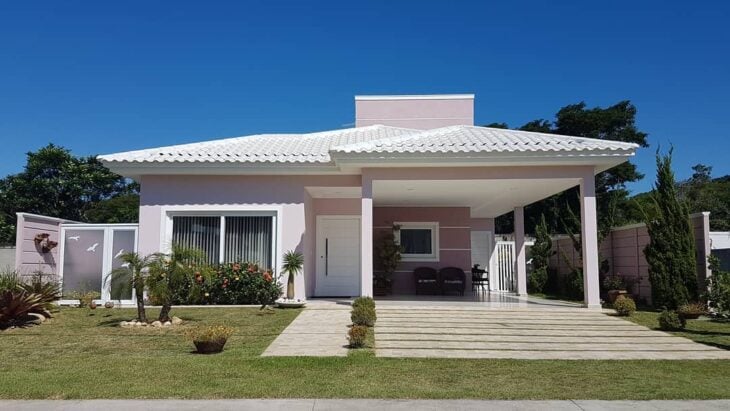
2. However, it is necessary to adapt the wooden base to the weight of the material

3. To calculate the amount of tiles, hire a specialist
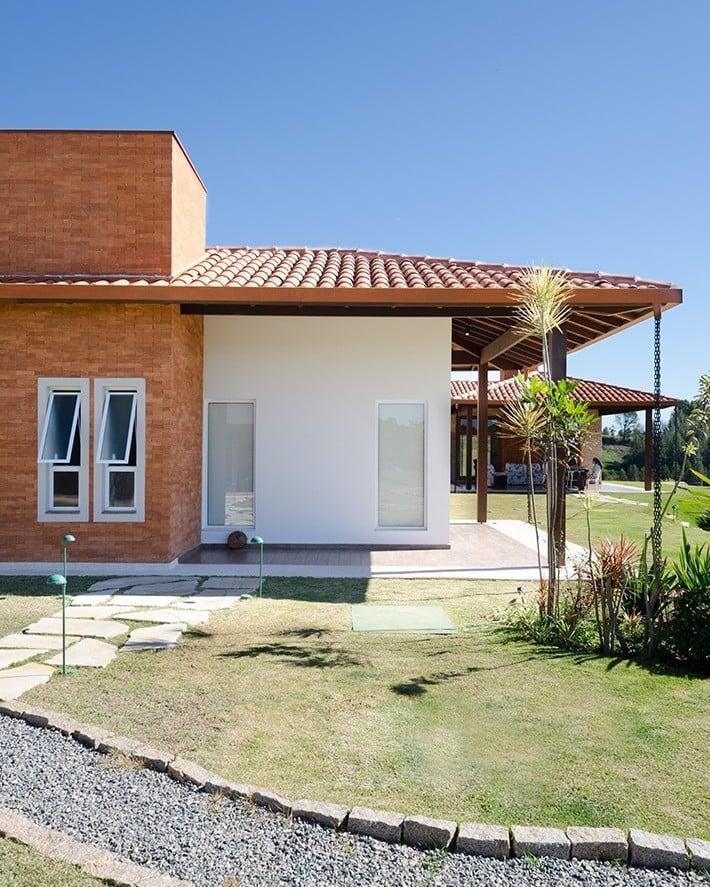
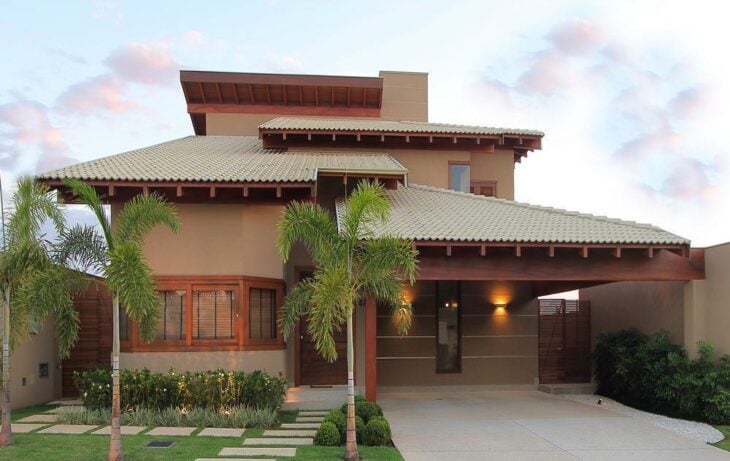
4. And remember to buy a few extra pieces
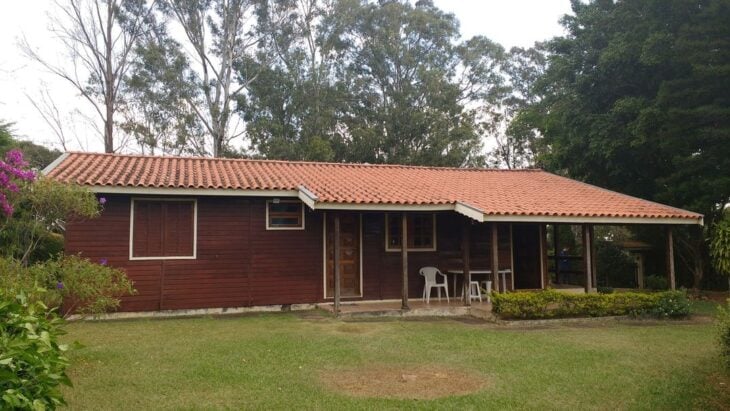
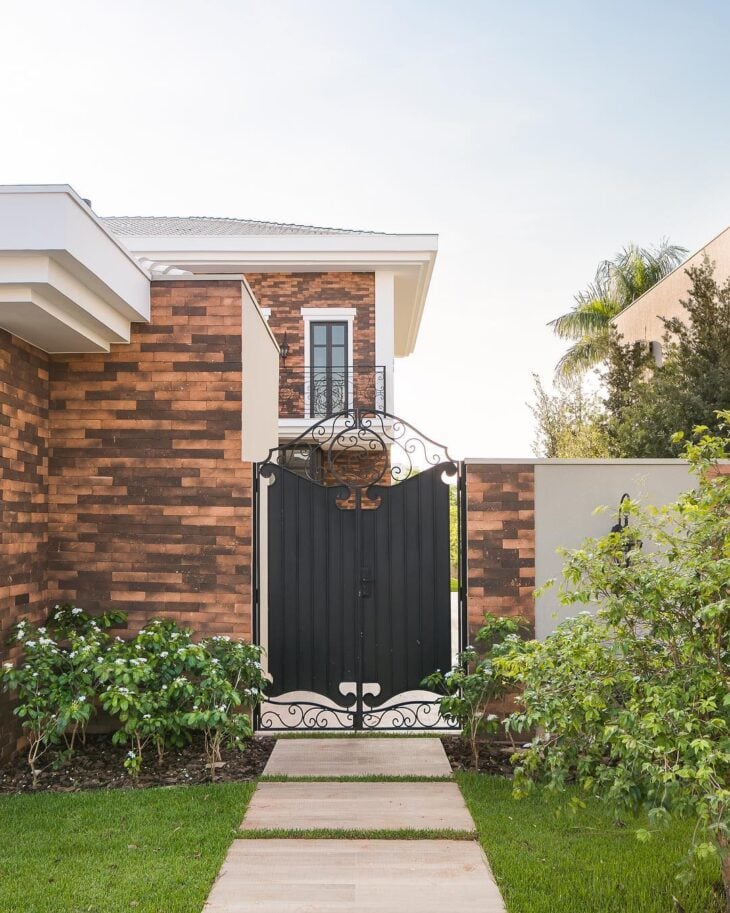
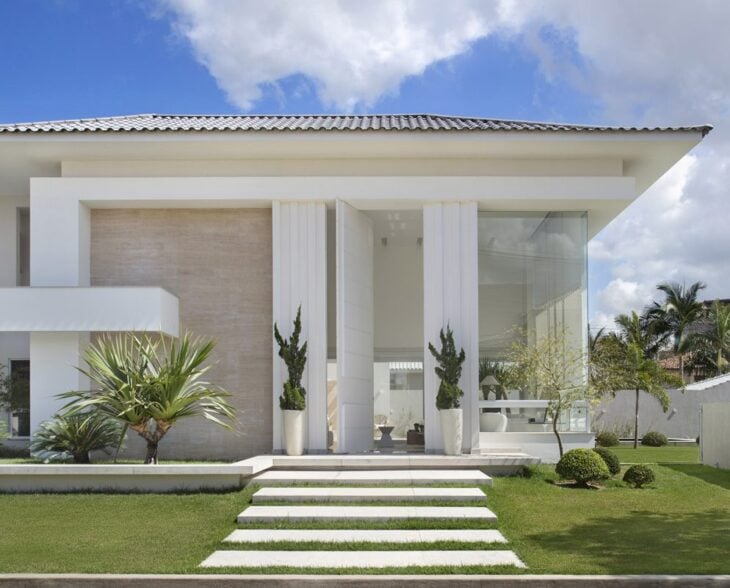
5. Because the lots may have a variation of colors and sizes
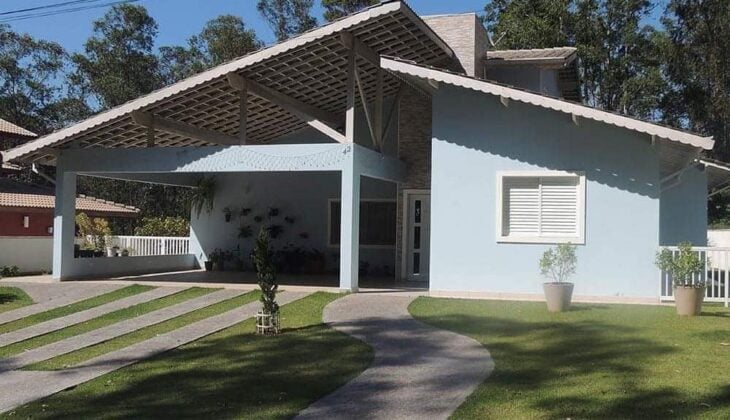
6. This way, you avoid the margins of error
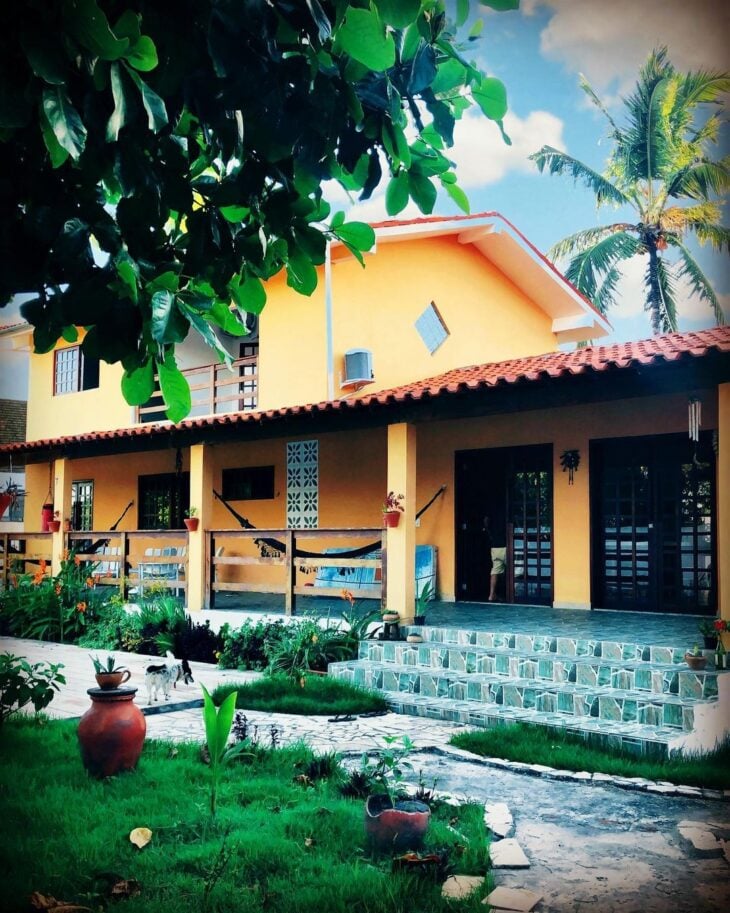
7. Ceramic colonial tiles create a cozy design
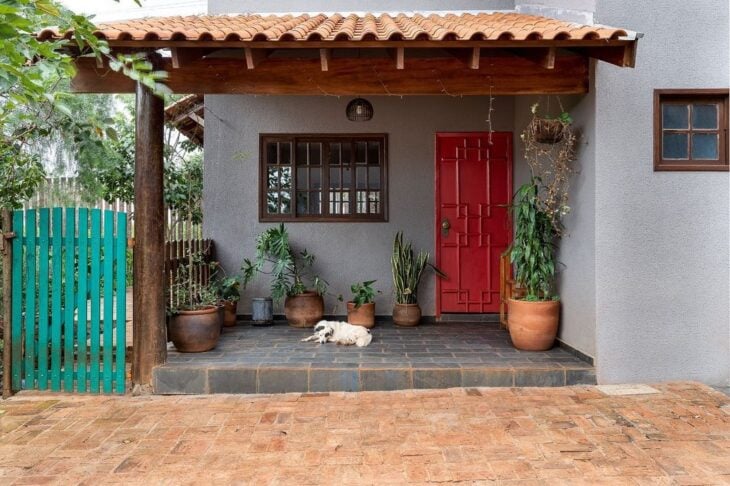
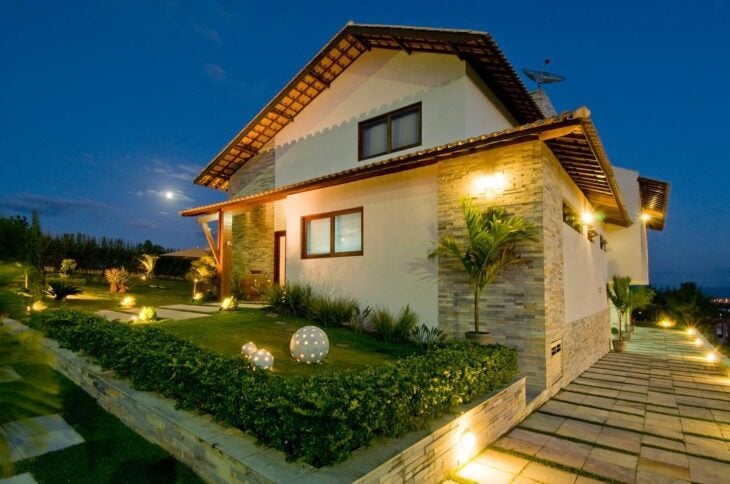
8. Observe the harmony of the gray tile with the wood
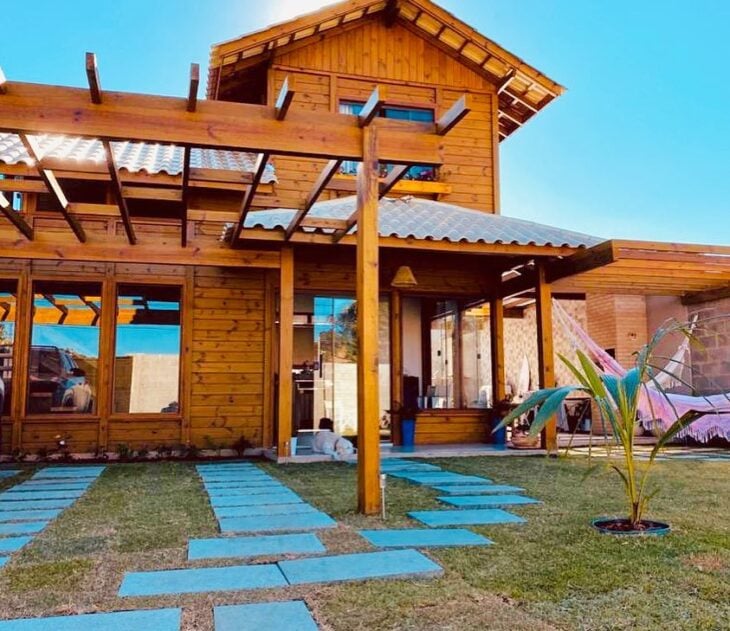
9. Another point that must be taken into account is the sealing of the parts
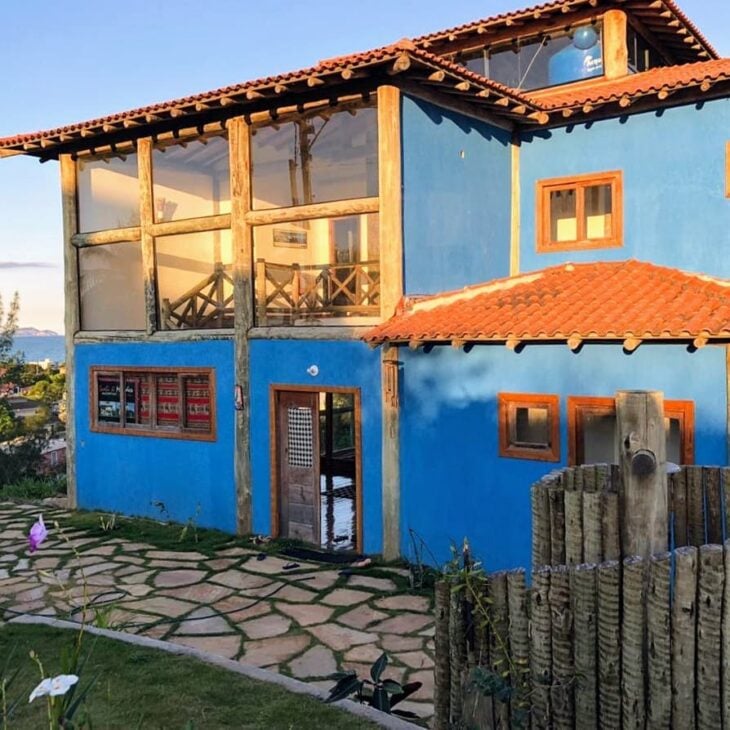
10. It must be done on a whim so as not to have infiltrations
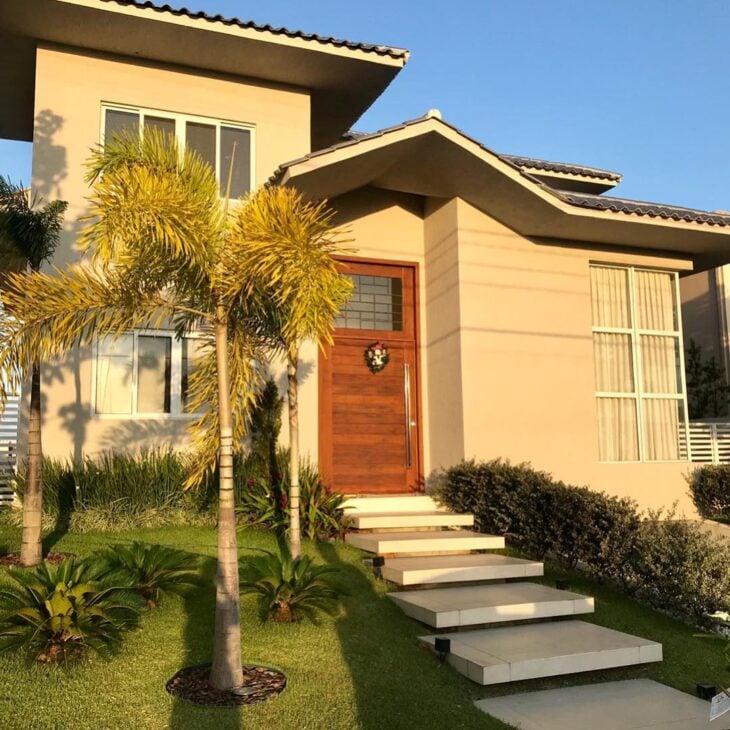
11. Therefore, follow the supplier’s instructions
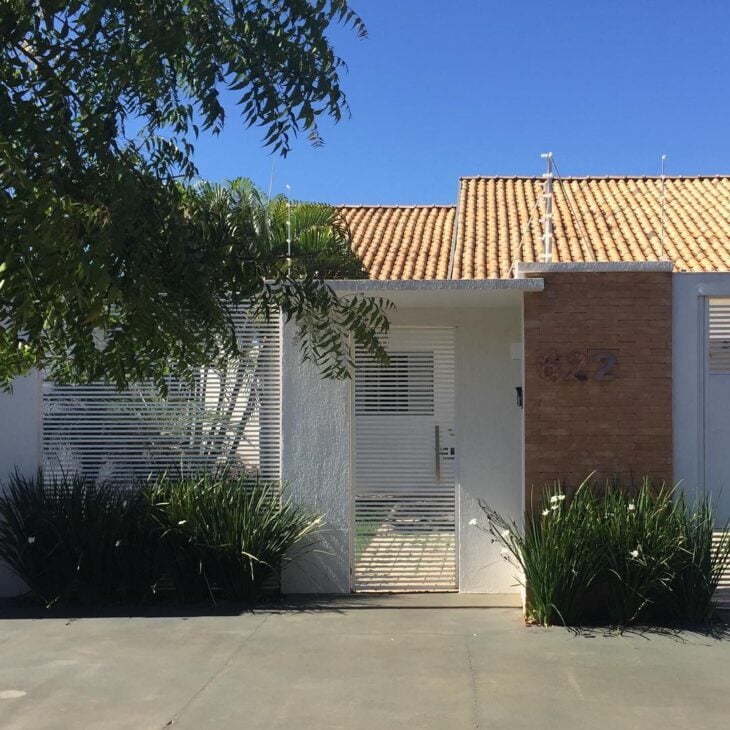
12. Don’t forget that you will need to do maintenance

13. Clean the gutter, change broken tiles and apply antifungal agents
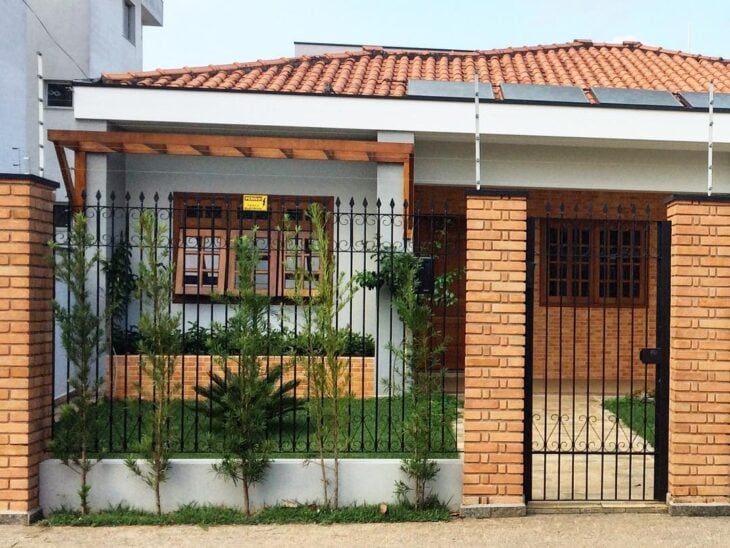
14. The slope of the roof influences the number of pieces used
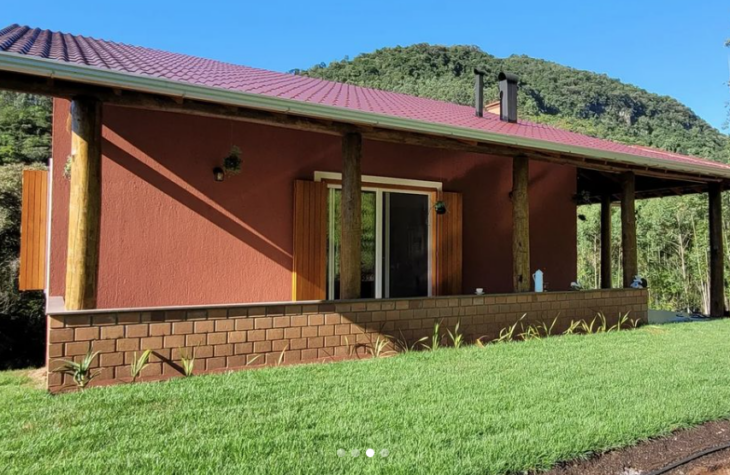
15. You can choose a linear trim

16. Or create a different design
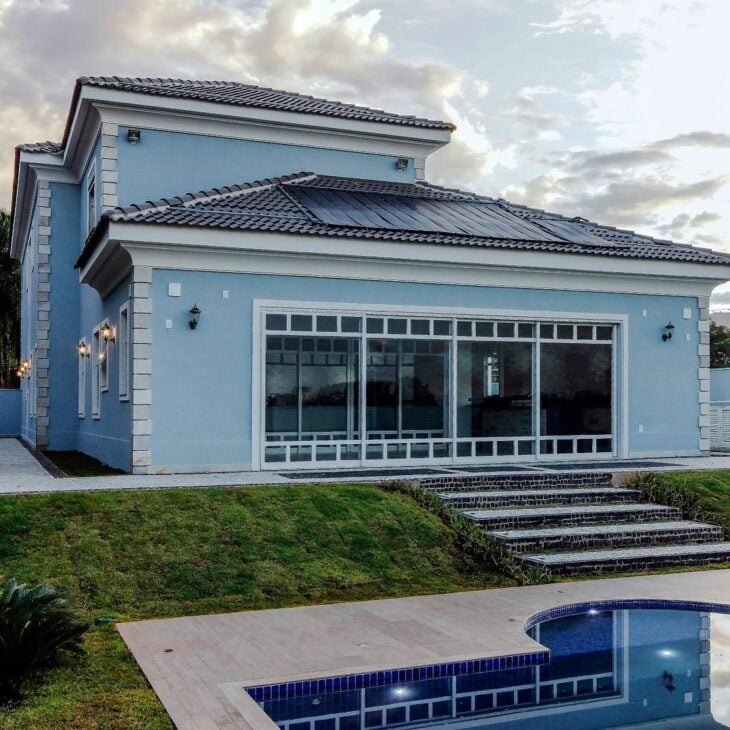
17. The rustic air of the colonial tile does not lose its elegance
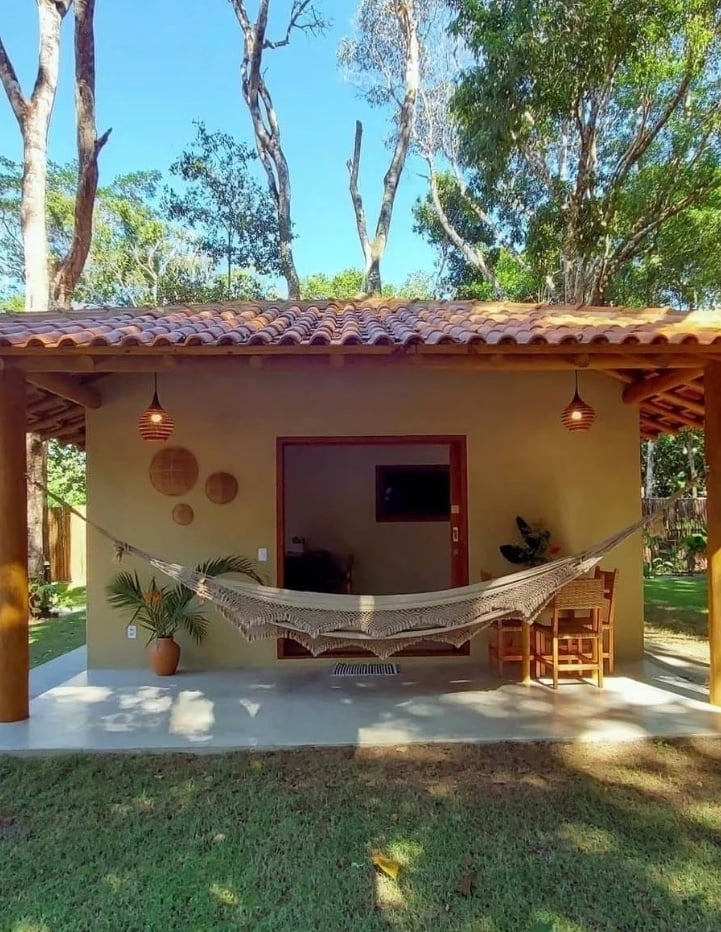
18. On the contrary, it’s a timeless charm
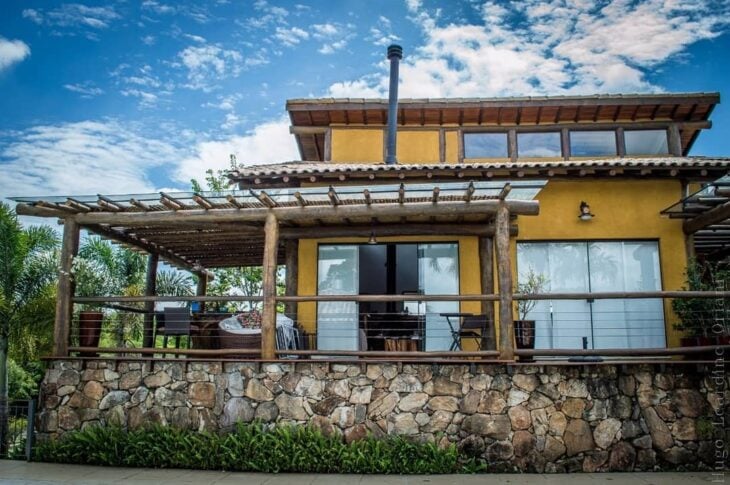
19. Notice how colonial tile brought movement to this modern home

20. Adopted during the colonial period, the model lives up to its name
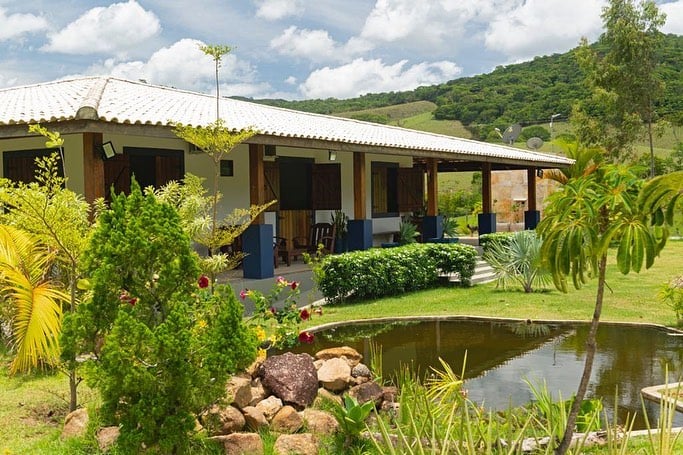
21. However, over the years, it has adapted to new constructions
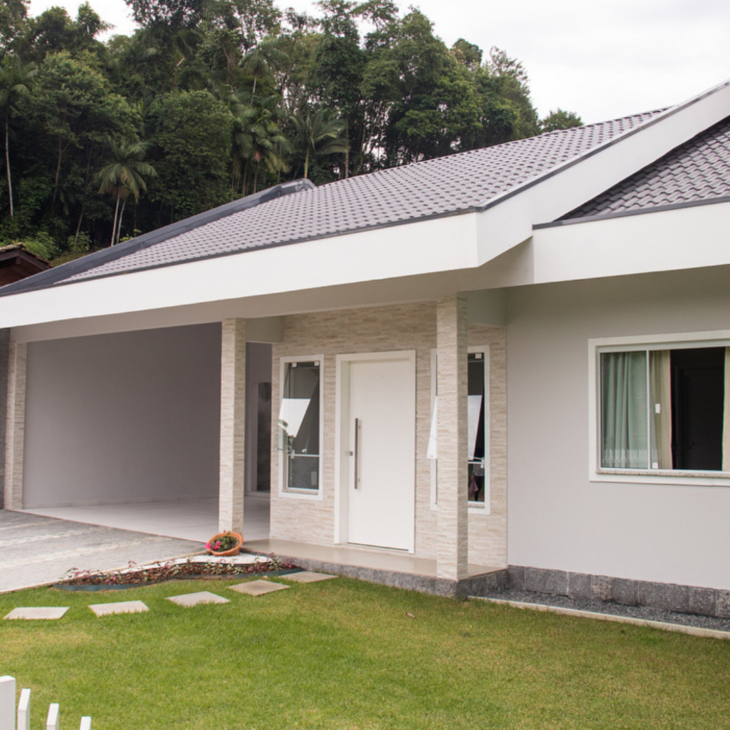
22. The piece has thermal and acoustic efficiency
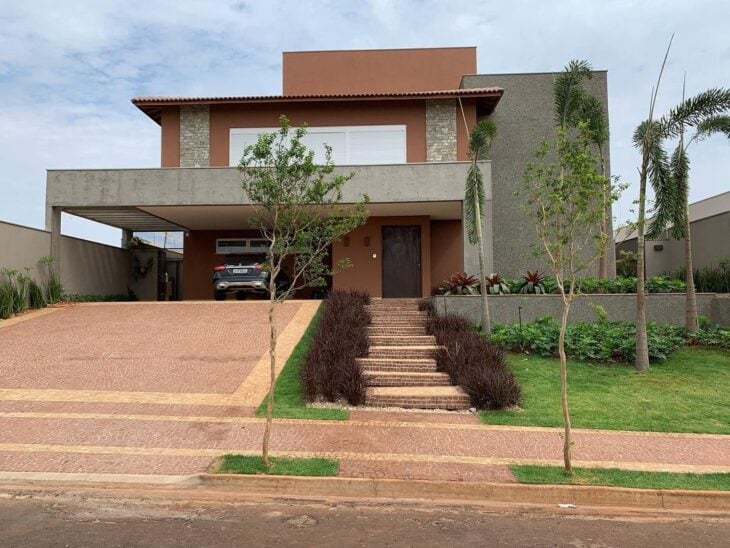
23. Ensuring comfort and privacy for residents
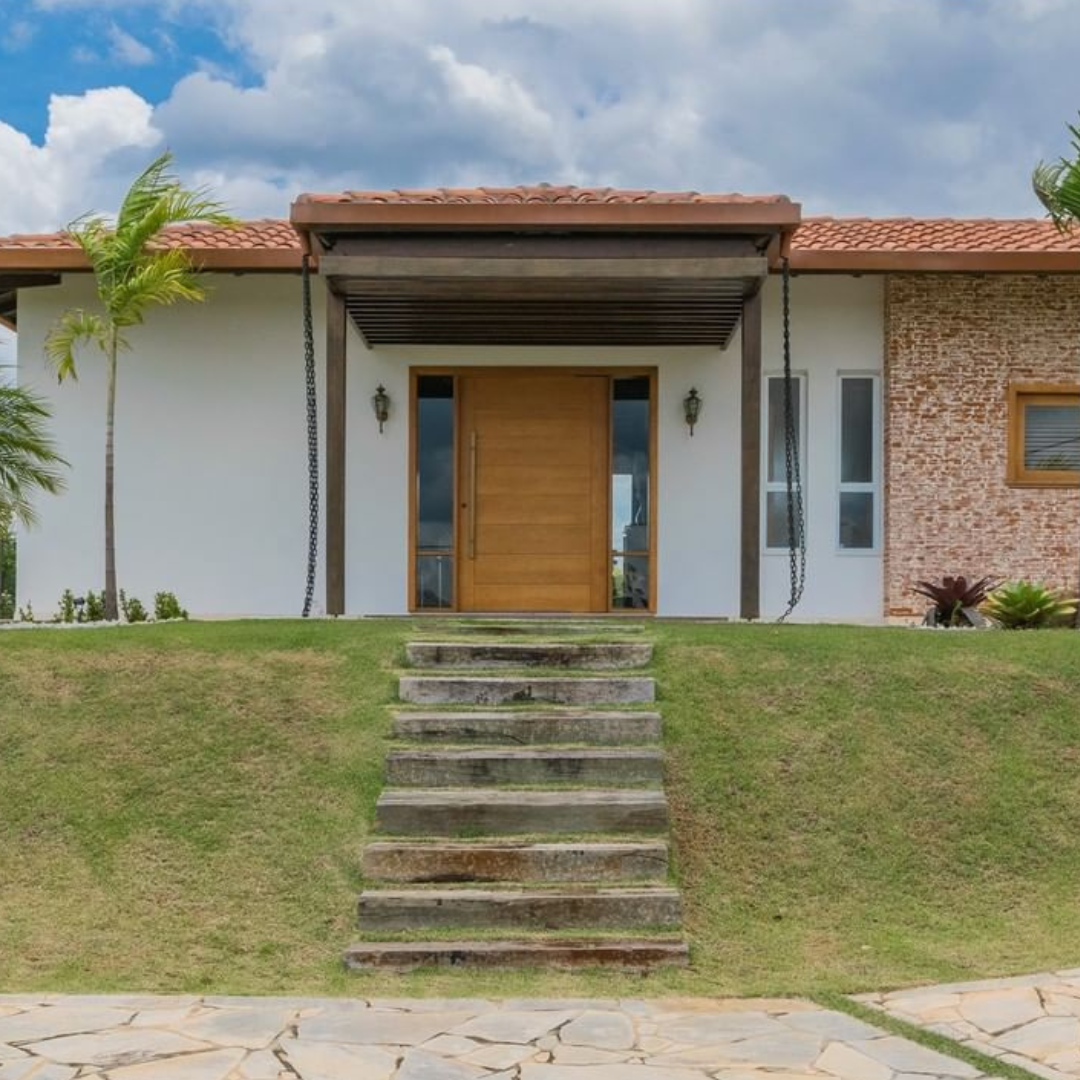
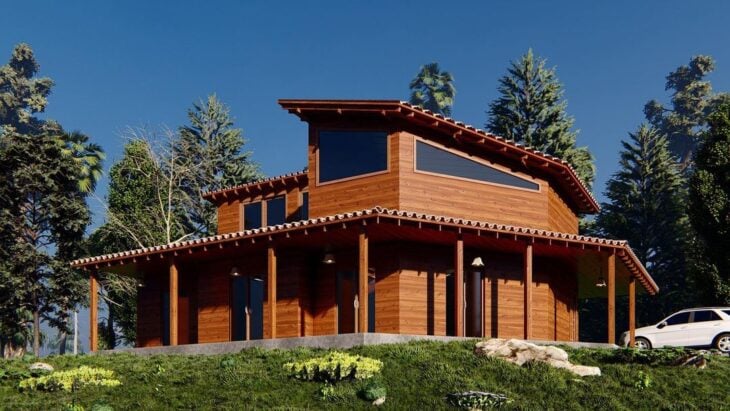
24. It fits so well with a wooden house
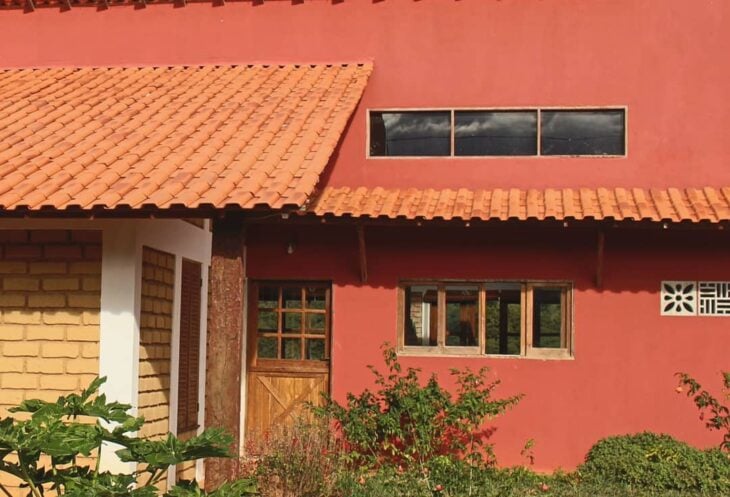
25. How much with a traditional brick house
26. The colonial tile can appear in the details and finishes
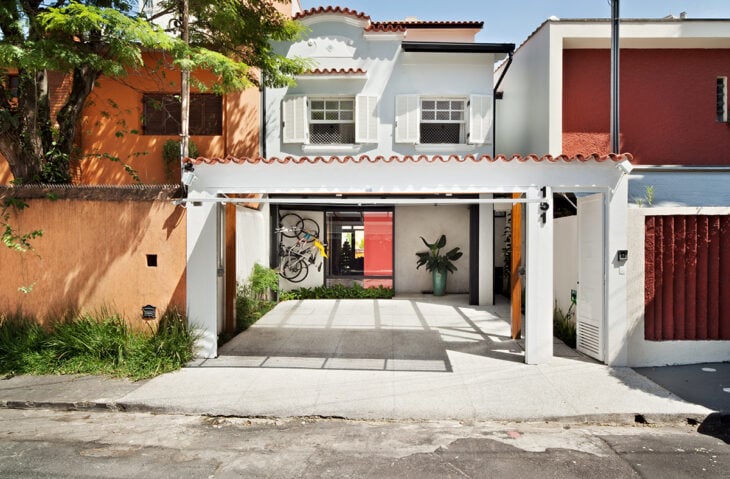
27. Because the fit creates a symmetrical and stylish effect
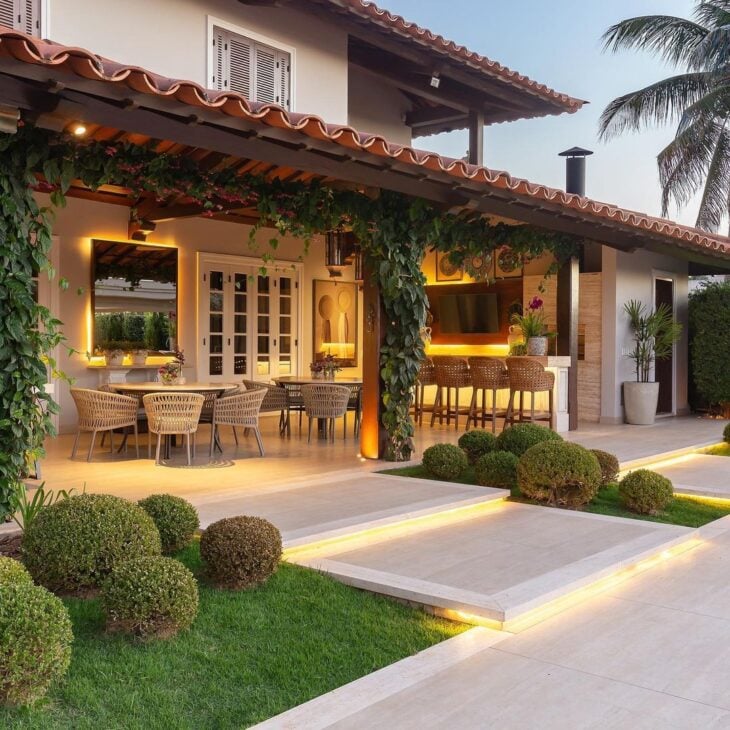
28. You will find pieces of various sizes

29. The large model is known as a tile
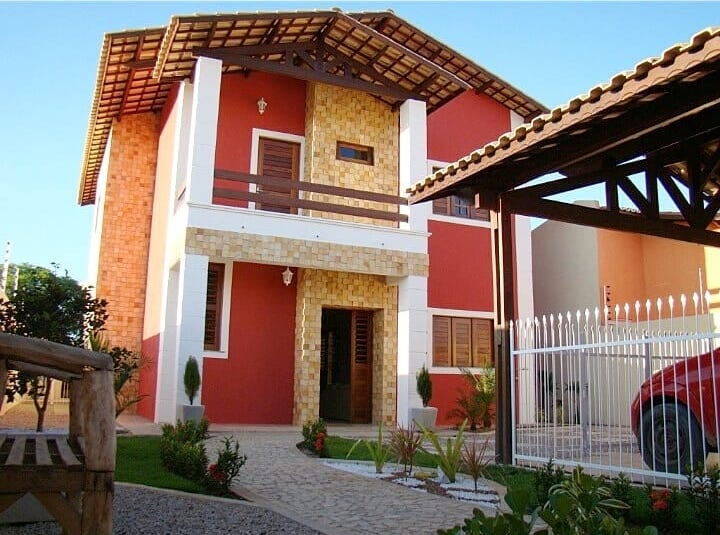
30. The small colonial tile is the most used
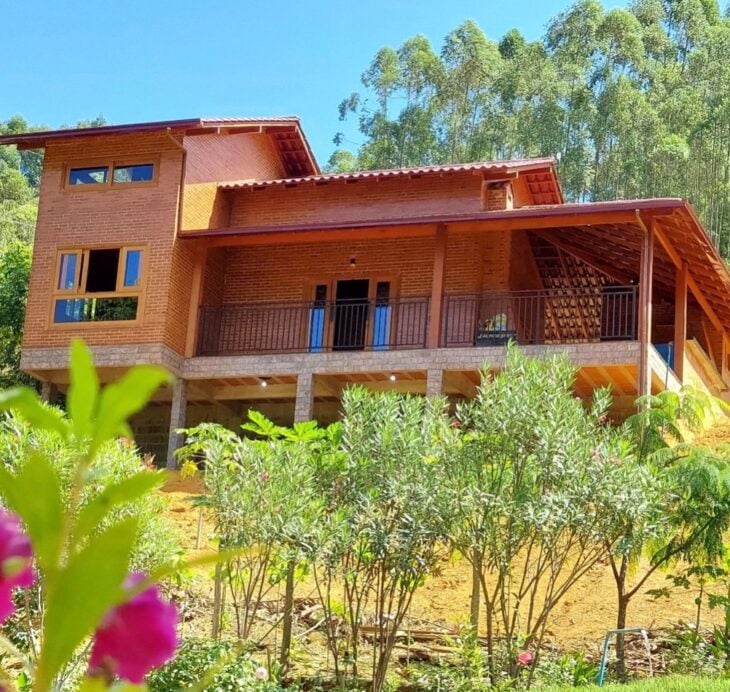
31. And the enamel is sold in several colors
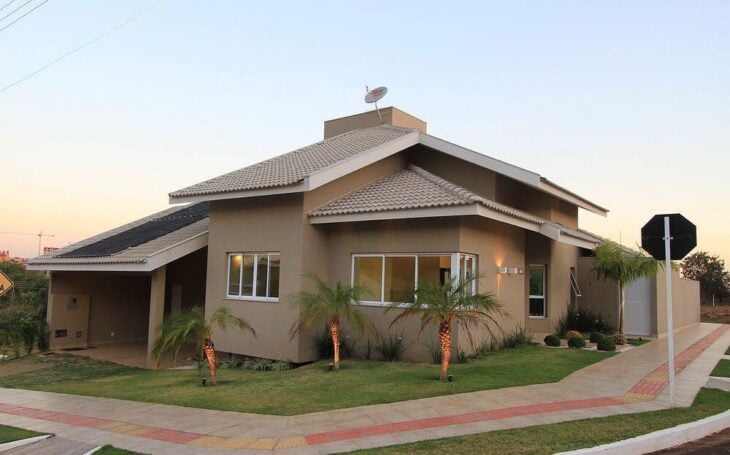
32. All are practical and have advantages
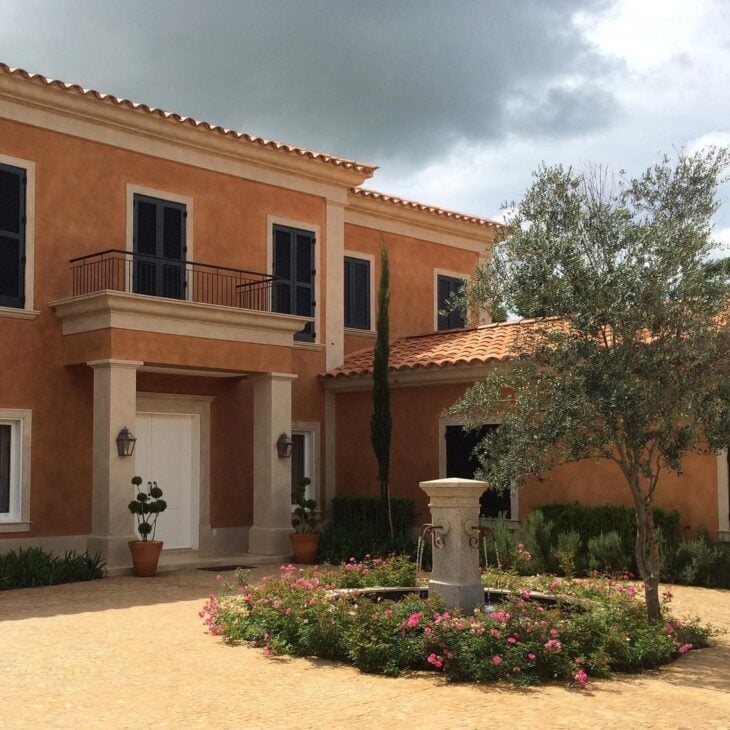
33. Installation is not complex
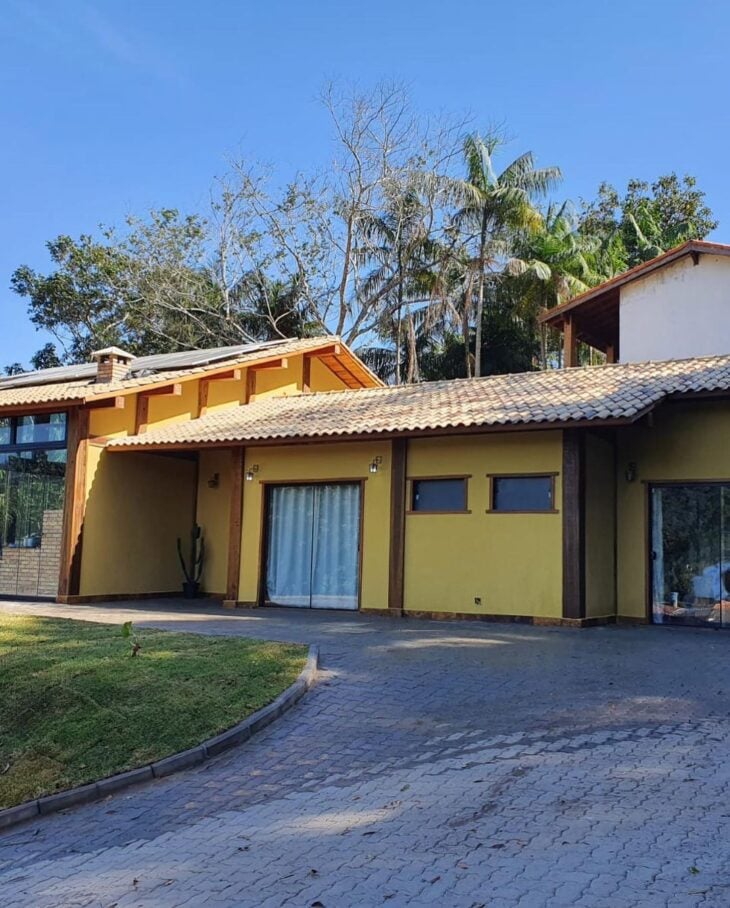
34. Professionals praise the cost-effectiveness

35. And the roof can withstand heavy rains
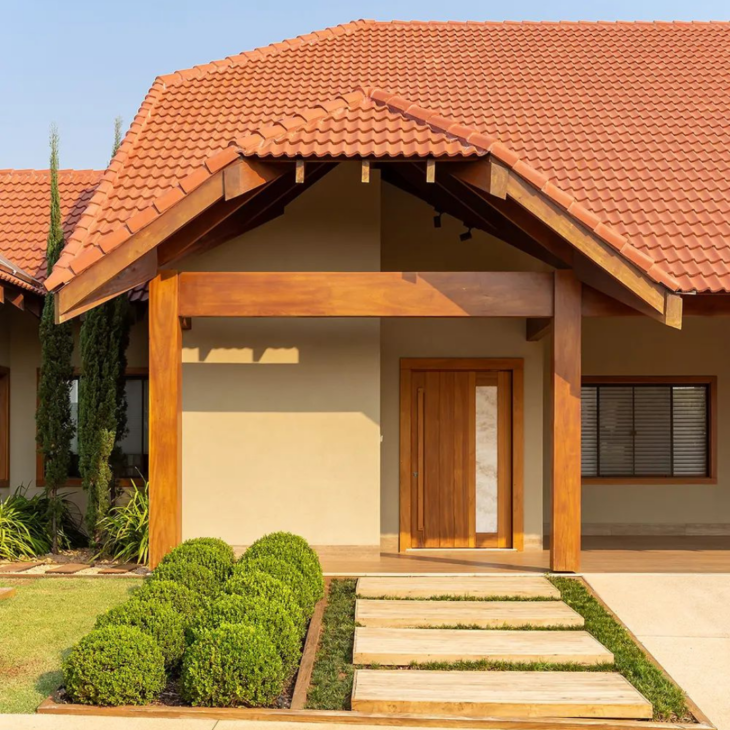
36. Because it has high flow and resistance
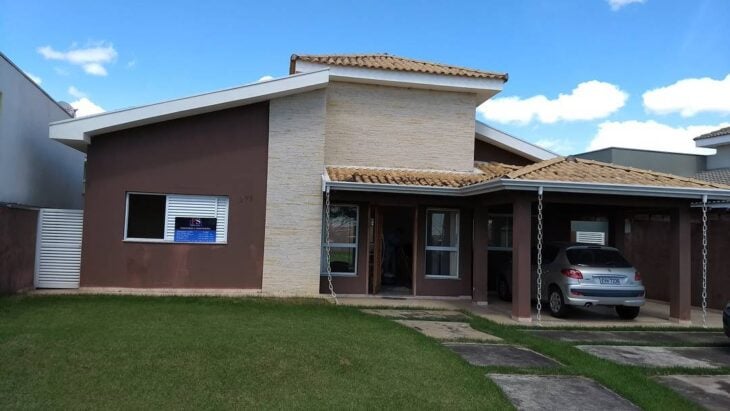
37. The white colonial tile is perfect for a more delicate design
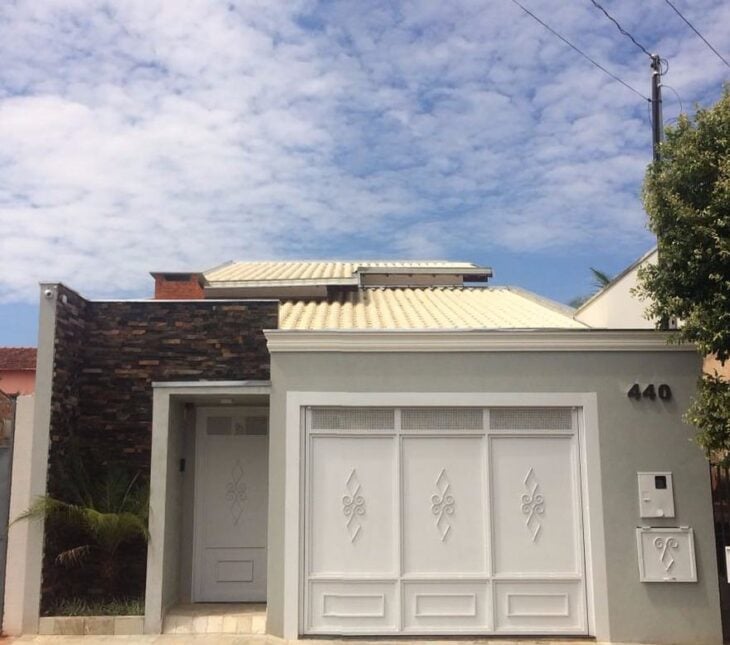
38. The ceramic one brings the nostalgia of rural residences

39. The plaster finish embodies seriousness

40. The visible rafters are bold
41. With the colonial tile, the house gains personality

42. Now with the roof showing less
43. Pray with him starring up there
44. The important thing is to be careful in the design and installation
45. Thus, you will guarantee beauty, safety and comfort

Colonial tile is very versatile. As seen, it suits all types of projects – from a simple house facade to the most complex of constructions. If you choose this piece, you will have great material for a rewarding result.