In an era where global warming has become a major social concern, adopting mindful practices has become a necessity. Sustainable homes and other constructions seek smart solutions to reduce environmental impact, among them, is cisterns. the architect Fernanda Soller talks about this economic and ecological item throughout the article. Follow up!
What is a cistern and what is it used for?
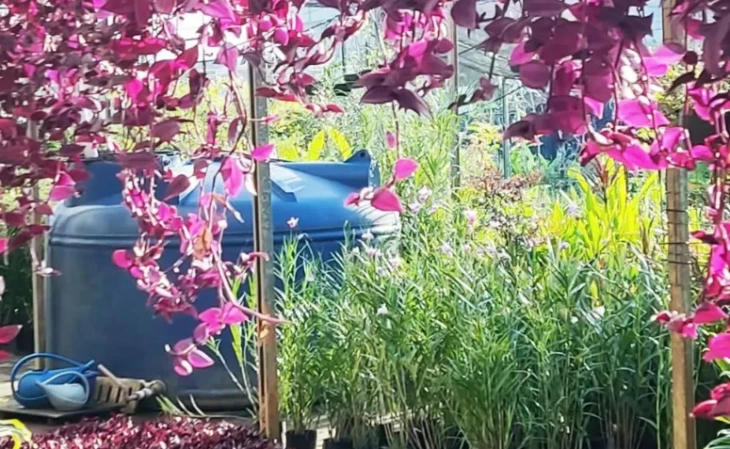
According to the architect Fernanda Soller, the cistern is a reservoir that stores rainwater or reused water. Very similar to the water tank, its material guarantees adequate conservation. In addition to being a sustainable option, it is economical, as it redefines consumption: water can be reused. It is important to implement a screen or some protection to prevent the proliferation of dengue mosquito (in the case of external cisterns).
How does a cistern work?
“Water capture is done through gutters and pipes installed on the roof of the property or equipment and connected to the reservoir, which will carry out the entire process of filtering the reused water”, explains the architect. With the harvested water, it is possible to wash floors, clothes, gardens, vegetable gardens and flush toilets.
benefits of the cistern
The use of cisterns in residential construction has a durability of up to 30 years. In addition to this, the professional points out other benefits:
- Environmental responsibility: Faced with several seasons of water crisis, cisterns are increasingly present in society, especially in regions where water rationing has become routine.
- Economy: the reuse of water stored in cisterns produces savings of up to 50% on your bill. Is it or isn’t it an advantage even for the pocket?
- Consumption reduction: this is a collective justification. By reusing rainwater, for example, you stop consuming the water distributed in the region.
- Sustainability: As an intelligent solution to water scarcity, the cistern promotes sustainability and, consequently, influences the socio-environmental improvements of the community.
- Property valuation: sustainable installations, which yield good monthly savings, have an advantageous valuation in the real estate market.
After knowing the advantages that a cistern adds to the property, it’s time to get to know some models available on the market. In the next topic, follow the architect’s explanations.
types of cistern
According to Fernanda, there are 5 types of cisterns, which differ in terms of size, material and type of installation. Are they:
- Mini cisterns: “they are made of plastic material with a storage capacity of up to 250 liters of water and with a faucet for easy use”, explains the architect. These models are the most sought after for reusing bath or washing machine water.
- Rotomolded polyethylene: according to Fernada, this model is made of industrially processed plastic material to be lighter, more durable and resistant. The cistern “is installed in modules to increase the storage capacity. There are several models, colors and sizes on the market, with filters and leaf retainers”, he adds.
- vertical cistern: Fernanda explains that this option is made of polyethylene in a thinner structure than the rotomolded modules, which can be fixed to the wall and with a modular system that allows the expansion of storage capacity.
- Fiberglass: for the professional, this type of cistern no longer fits today’s reality due to its material. “With a capacity of up to 5 thousand liters and high resistance, this model has low sealing, favoring the proliferation of microorganisms and mosquitoes”.
- Masonry (brick, cement and lime): although it requires a greater investment, the masonry cistern is one of the most customizable options and also offers greater durability. “This model can be small or large and requires labor for construction and installation. Its dimensions and storage capacity basically depend on the area of the land where it will be built”, concludes the architect.
When including a cistern in your project, make sure that the place where it will be installed can bear weight: each liter of water is equivalent to one kilo. In the next topic, the architect answers the main questions on the subject. Follow up!
Questions about cistern
If you are going to do a renovation or construction, the ideal is to program yourself. With that in mind, Fernanda Soller answers frequently asked questions about cisterns. Write down the information to avoid unpleasant surprises during the purchase and installation of the chosen model:
- How much does a cistern cost? “The average price for models with up to 2,000 liters of capacity is R$2,500 to R$3,500”.
- What is the ideal size of a cistern? “The size of the cistern is variable. This depends on the number of people, equipment and the rainfall in the region. 750 liters is considered an ideal size for a single family home of up to 5 people”.
- When should we replace a water tank with a cistern? “The water tank is replaced by the cistern only in places where there is no public supply. In this case, the water must be filtered and treated for human consumption.”
- What are the main precautions we should take with a cistern? “Follow the manufacturer’s recommendations for installation. Do not leave the cistern open and maintain the frequency of cleaning. Clean the reservoir twice a year and keep the seal to prevent the proliferation of bacteria, fungi and mosquito vectors”.
To prevent the spread of Aedes Aegypti, a simple mosquito net installed at all entrances and exits of the cistern solves the problem. Thus, you protect your whole family not only from dengue, but also from other diseases.
How to make a cistern in 3 tutorials
Is it the team that puts its hands dirty in your projects? Then these videos are for you! The tutorials cover 3 different types of cisterns, with different execution difficulties. Check out.
masonry cistern
In this video, a qualified professional explains all the procedures performed during the construction of a cistern made with bricks and cement. In addition, he gives an excellent tip to ensure the durability of the project, avoiding possible cracks.
How to make a simple cistern
See the step by step of the production of a simple cistern, using a drum, among other materials. This model is only applicable for the reuse of water in activities that do not include consumption. For example, you can wash the yard, the car, among others.
How to build a vertical cistern
Learn how to make a vertical cistern that holds up to 320 liters of rainwater, using construction waste materials. The vlogger ensures that the execution of the project is easy and does not take up much space.
As well as the reuse of water, saving energy has become a necessity in the daily life of Brazilians. So, in addition to investing in a cistern, keep adopting sustainable attitudes that will help you save money and preserve the environment.