Just another step. Please click on the confirmation link sent to you by e-mail.
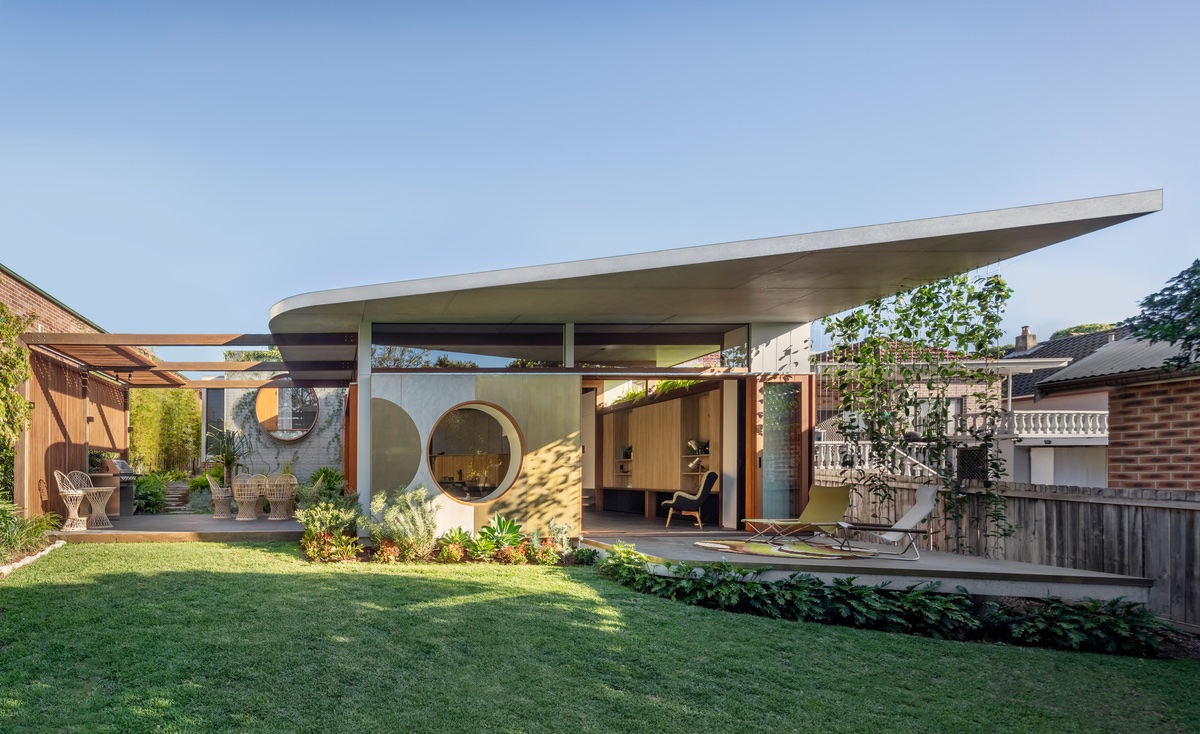
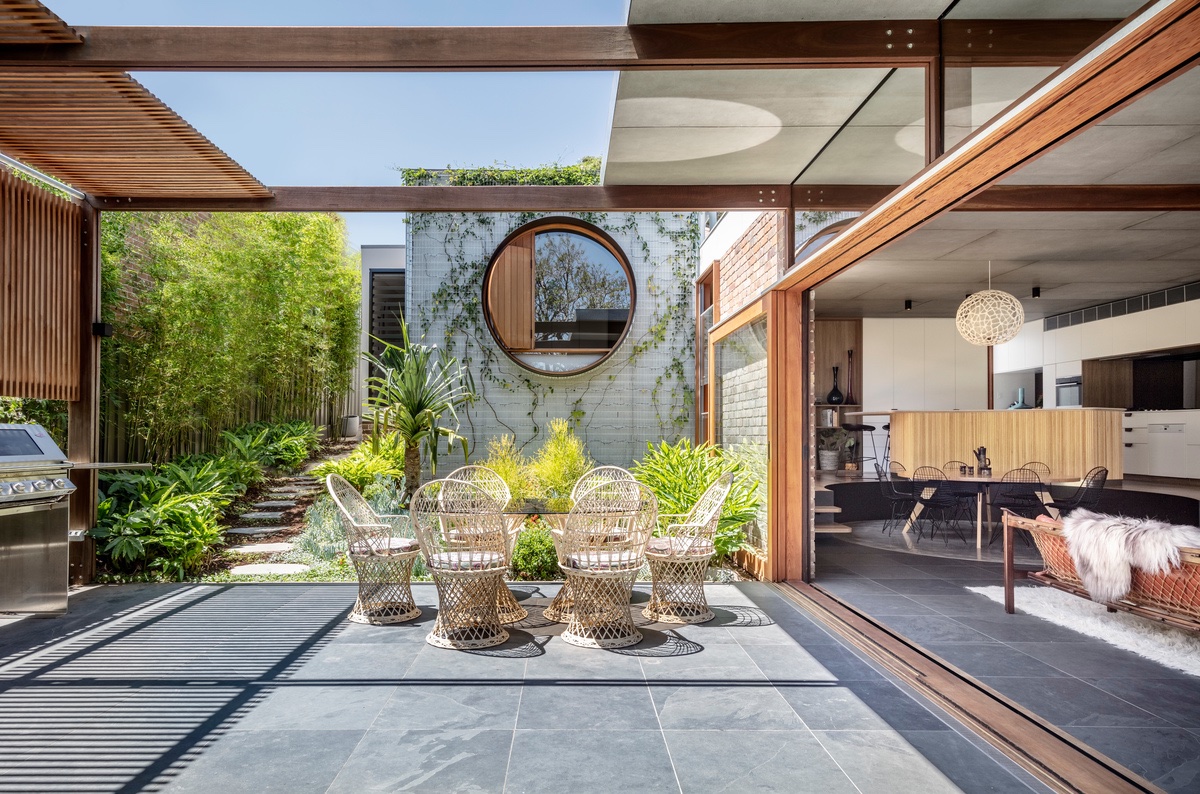
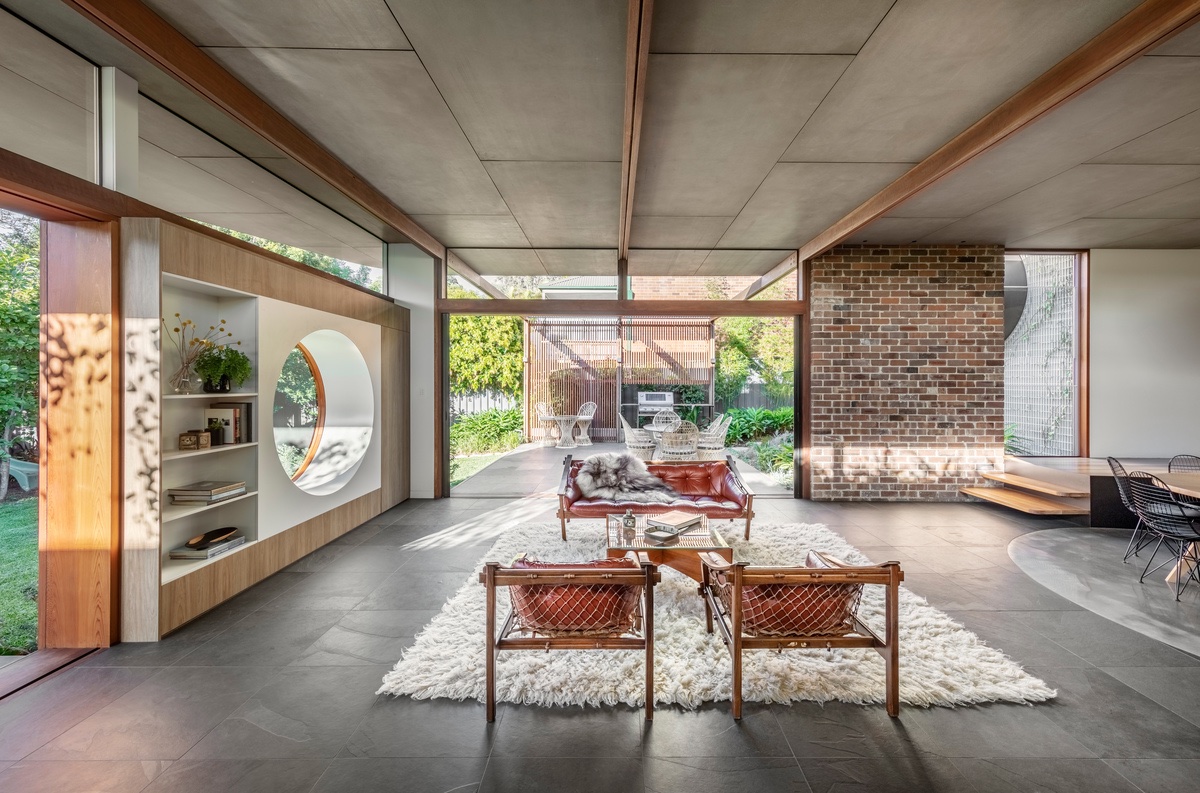
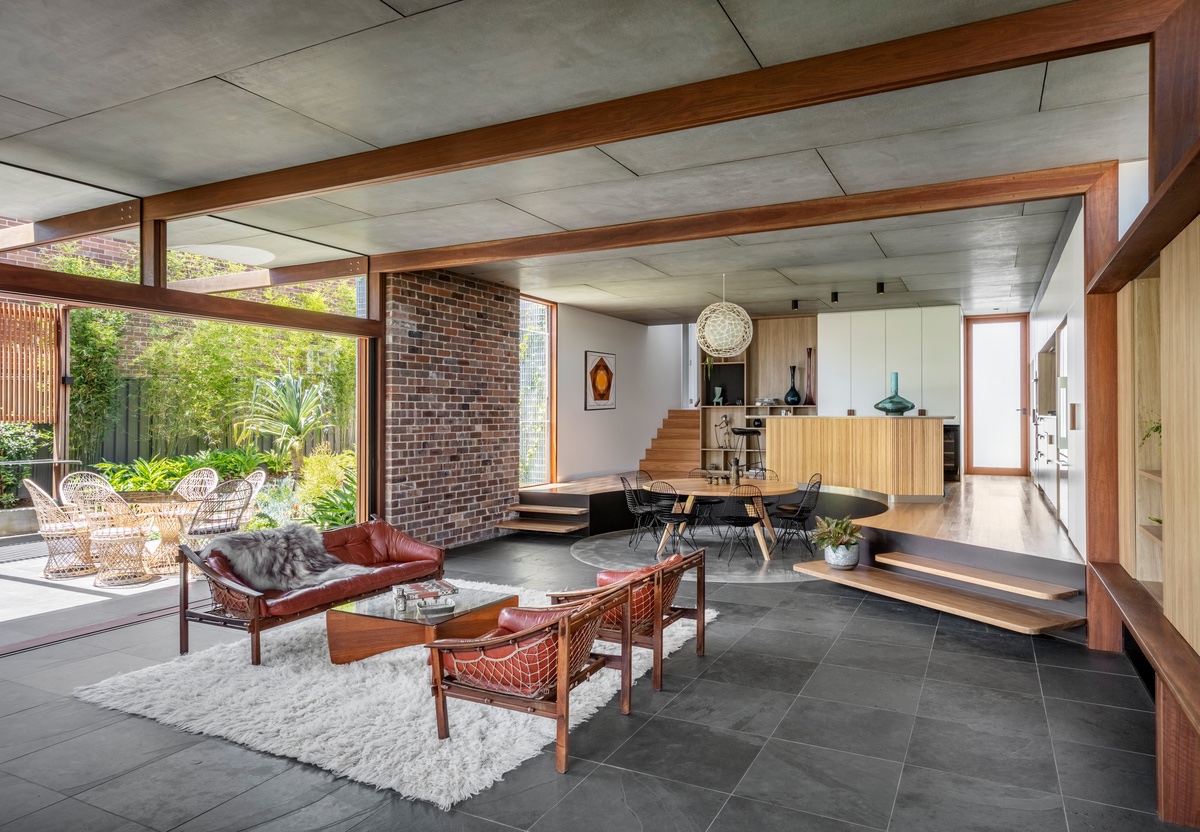
Inspired by the clients’ strong family bonds and their relationship to the environment, the Totoro House concept blurs the boundaries between living spaces and the garden. Designed by CplusC . Architectural WorkshopThis design is named after the animated fantasy of Studio Ghibli, My Neighbor Totoro, who explored the significance of these relationships more than three decades ago. To keep these connections uninterrupted, the lounge, kitchen and dining space have been combined into one family area that melts into the garden. The outdoor space acts as an extension of the living room, including its cooking area and seating, so that family life flows freely and contentedly.
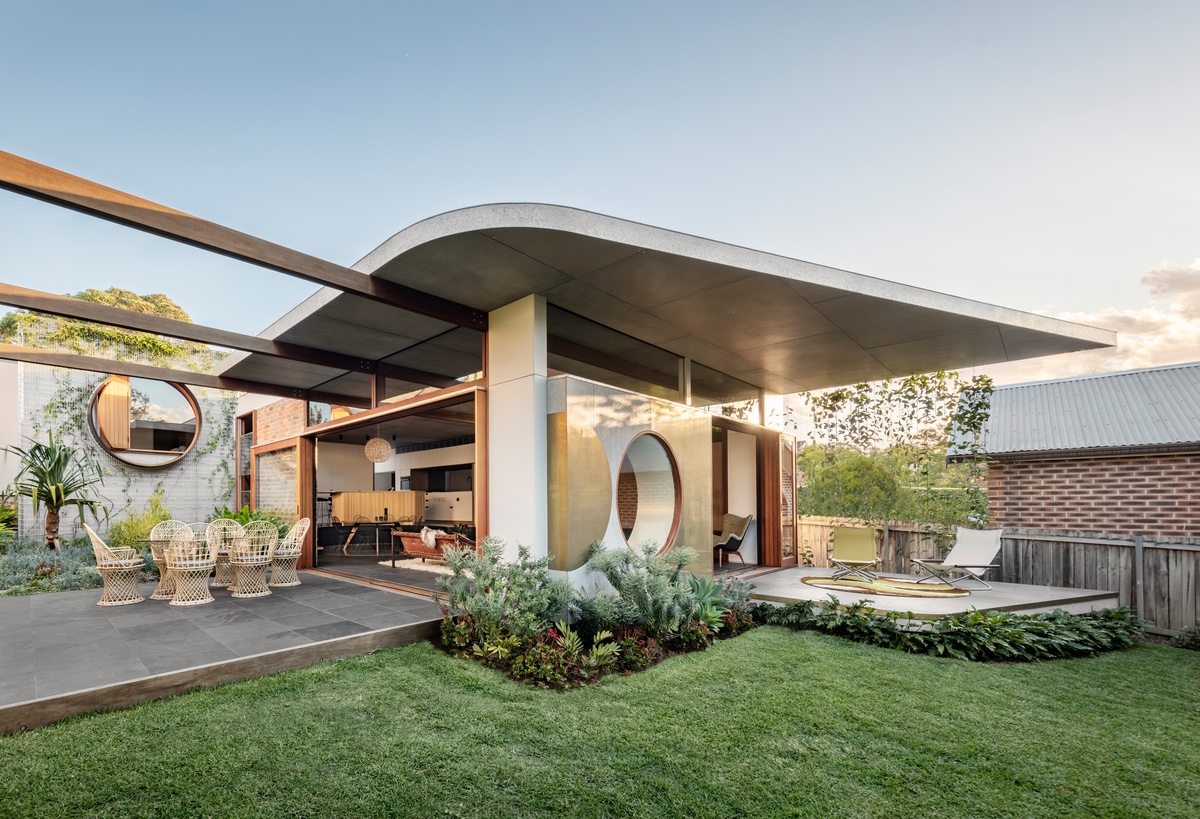
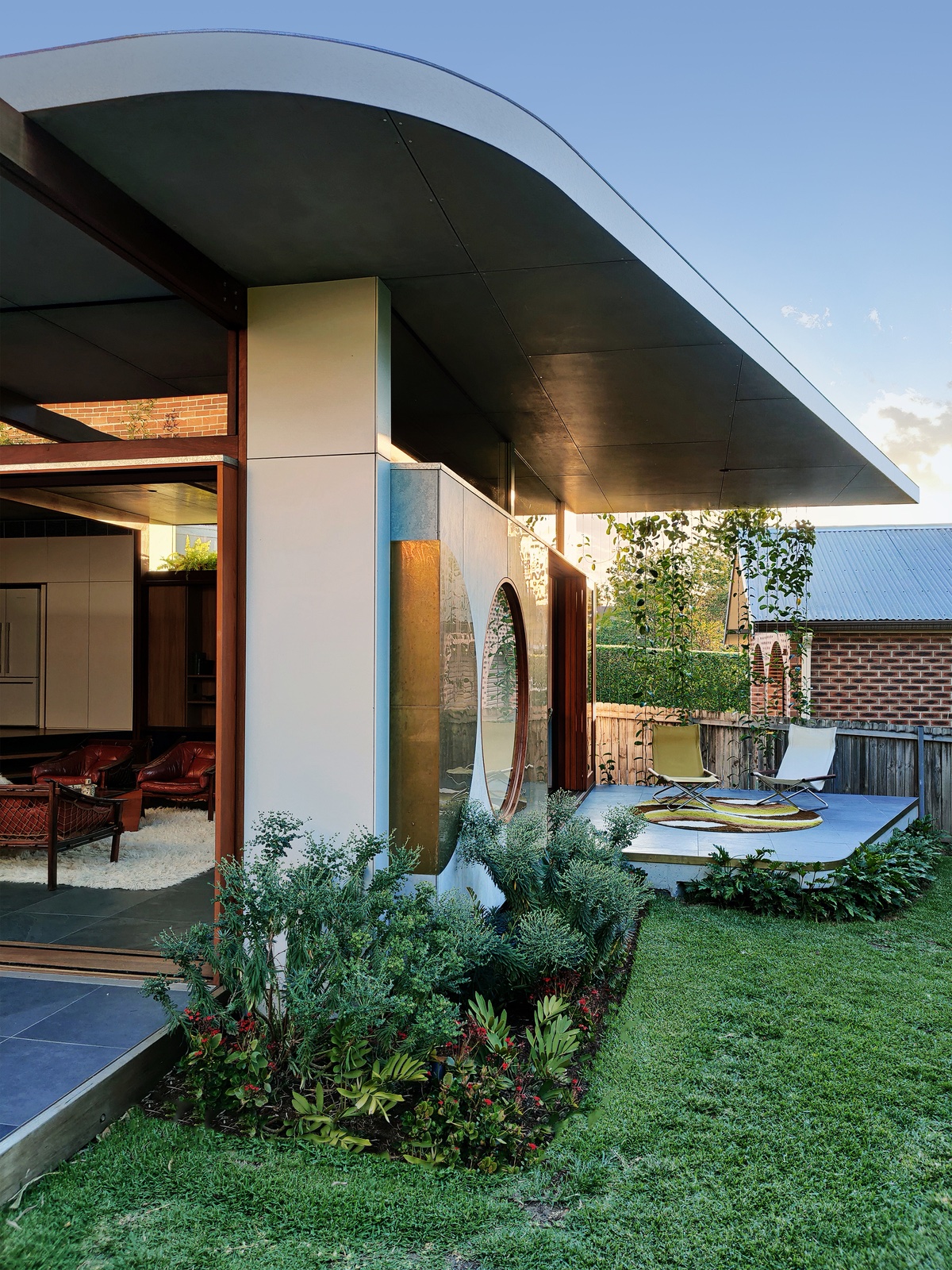
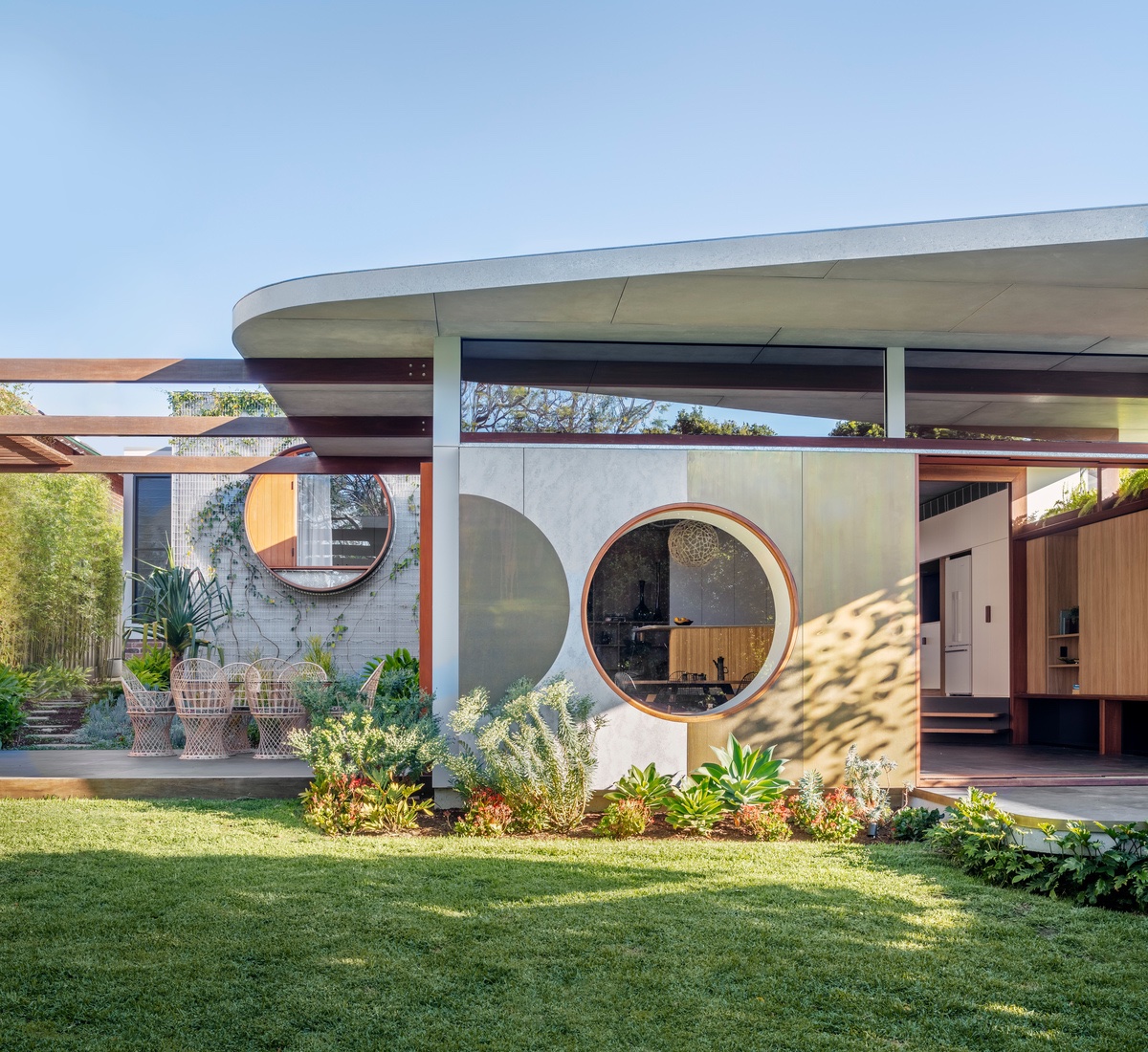
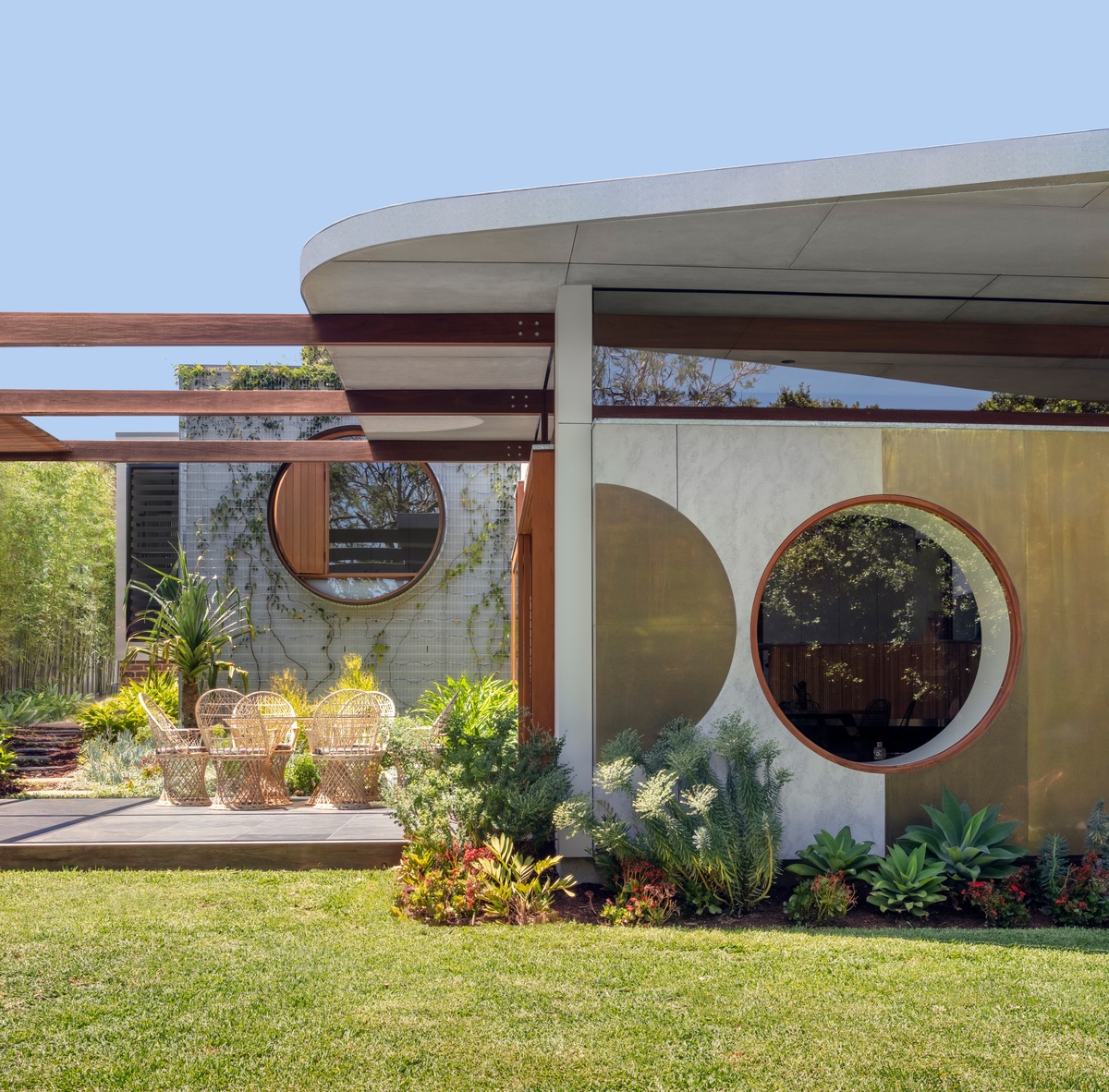
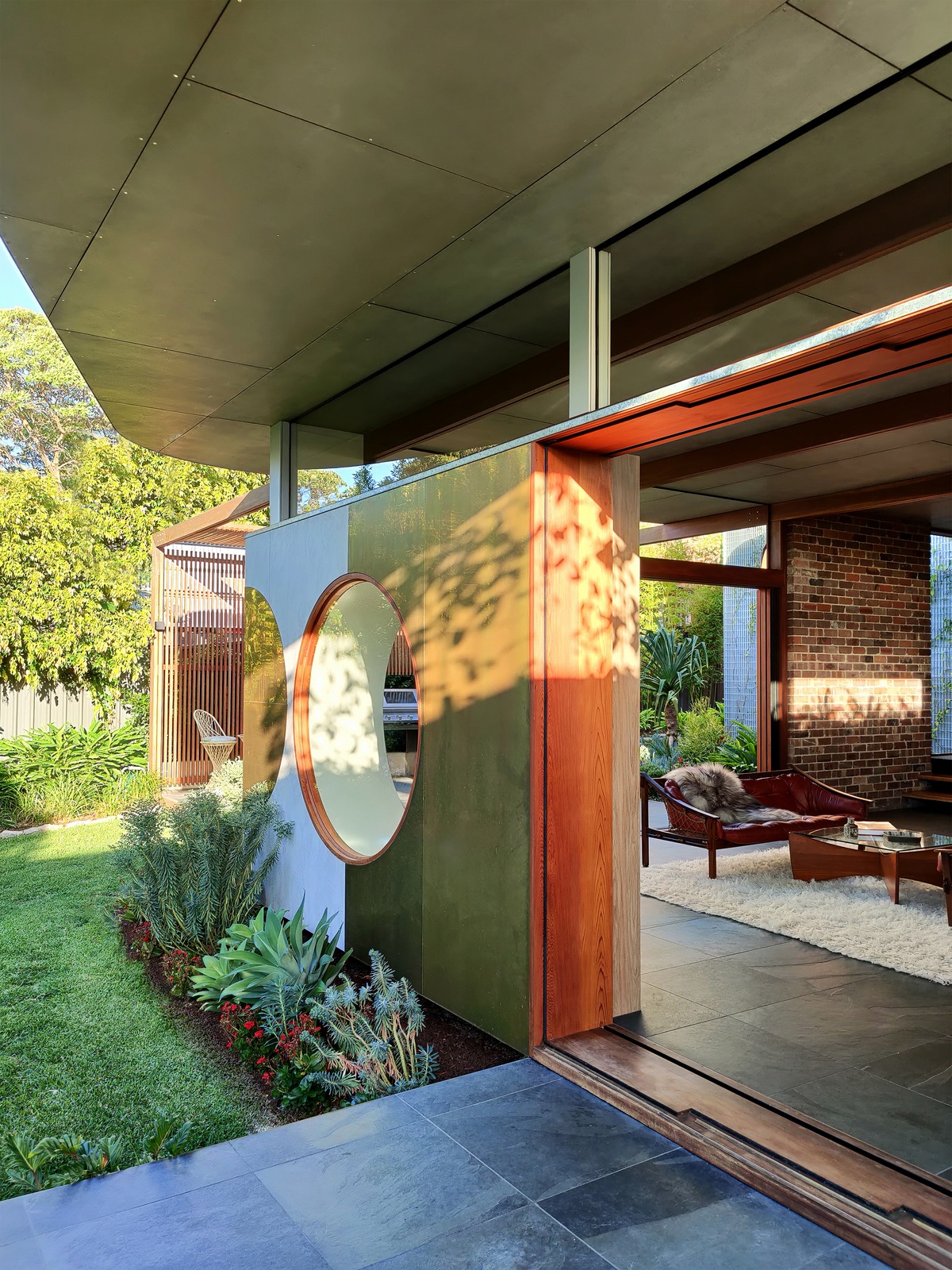
The exterior design of this unique home has a distinctly space-age appeal, synonymous with the forward-thinking architecture of the late 1950s. The drooping roof sweeps around the side of the house at a widely curved angle before rising into the sky as a gorgeous angular projection.
The aerodynamic-like roof design highlights a one-story building with an interesting window. Clerestory windows are cut out around the entire perimeter, and the walls are crowned with bi-fold glass doors and round windows.
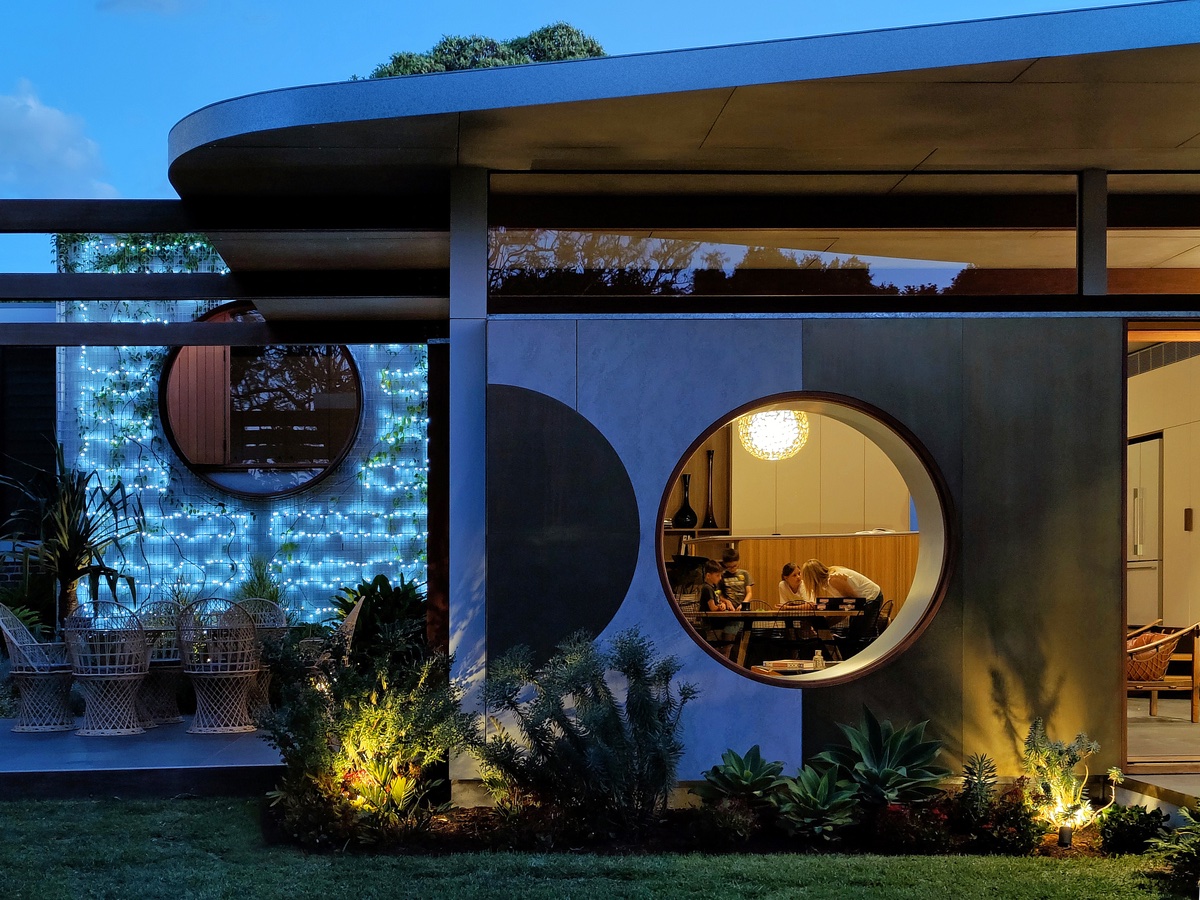
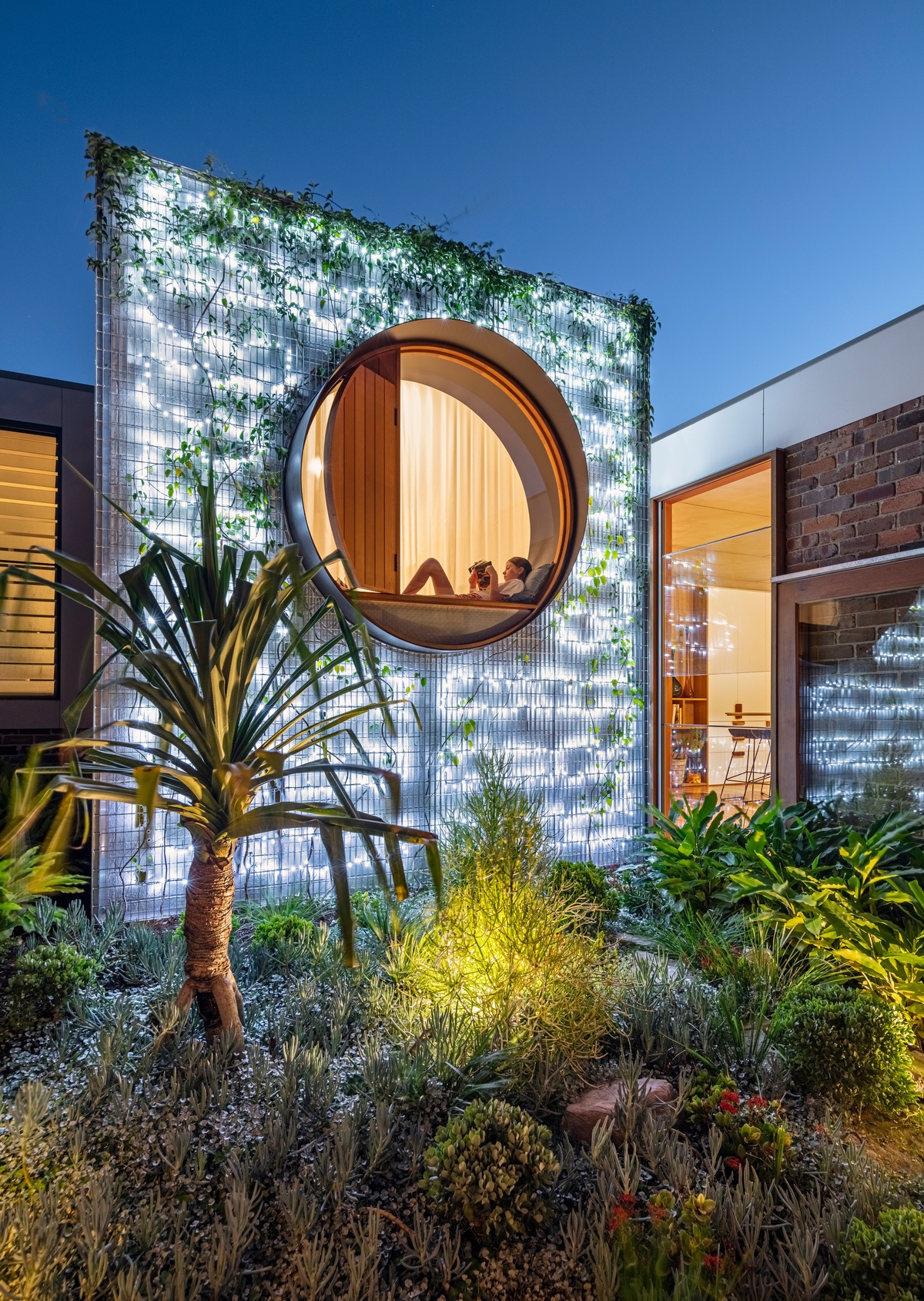
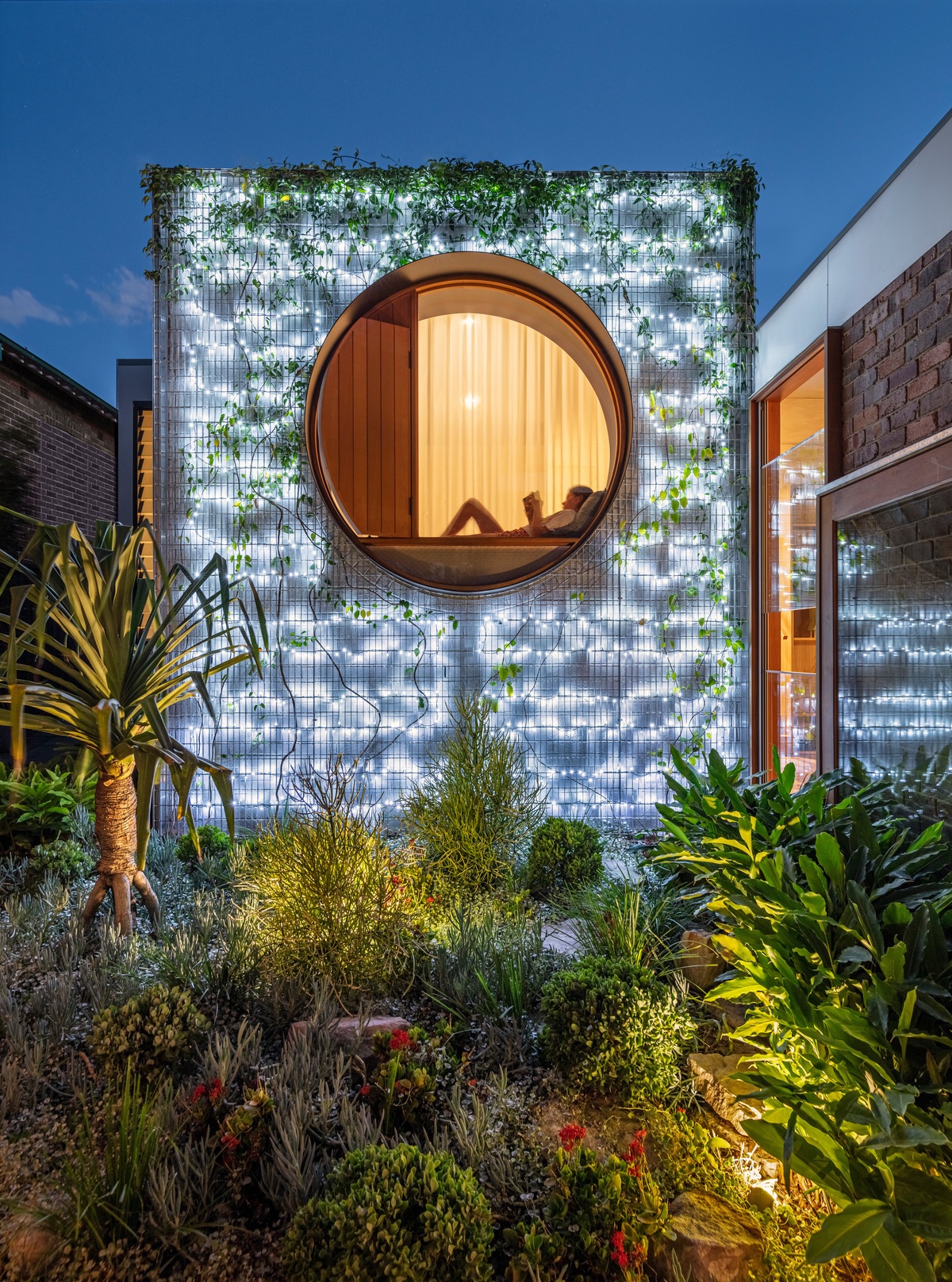
At night, the effect is dramatic under the warm glowing lights from inside and outside the home.
The original house on this land suffered from a disconnection to the back garden due to the terrain. A new extension has been added to bridge the gap that held up the homeowners, creating an easier transition to the outdoors through a new living space. Small patios were added to expand the usable area, like this shaded spot with outdoor deck chairs.
The new outdoor spaces have been arranged with the privacy of both the homeowners and their neighbours in mind, ensuring that everyone continues to enjoy the environment in peace and seclusion with their families.
Ceiling ceiling blurs the margins between indoor and outdoor living spaces, rendering outdoor areas into partially roofed rooms.
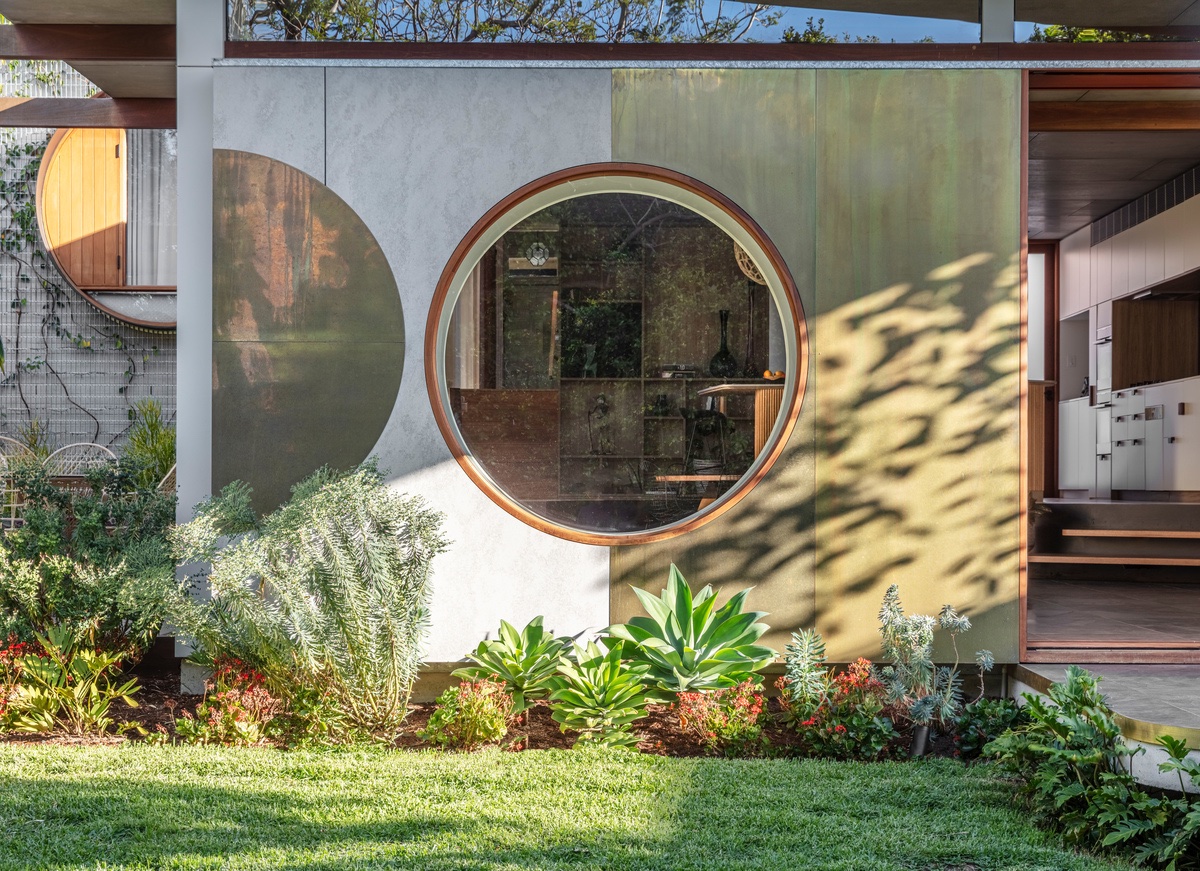
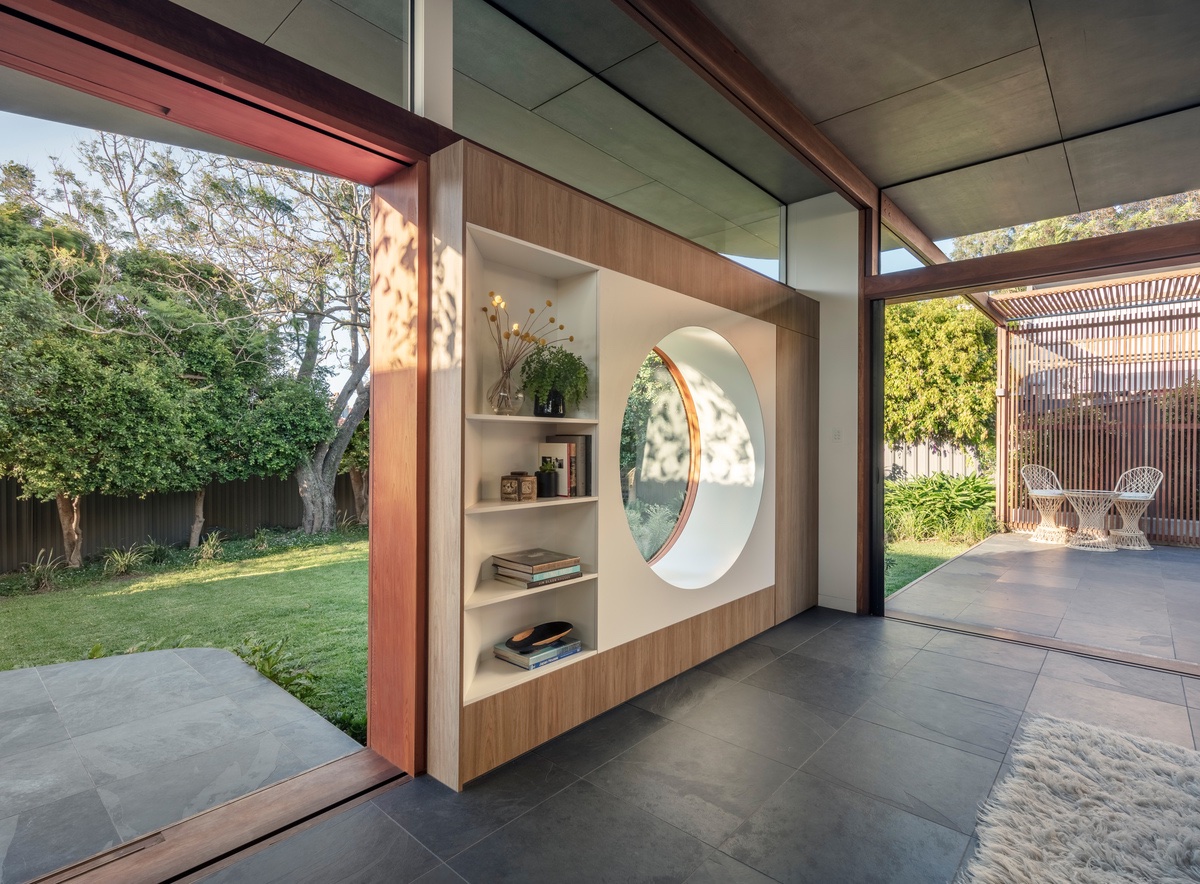
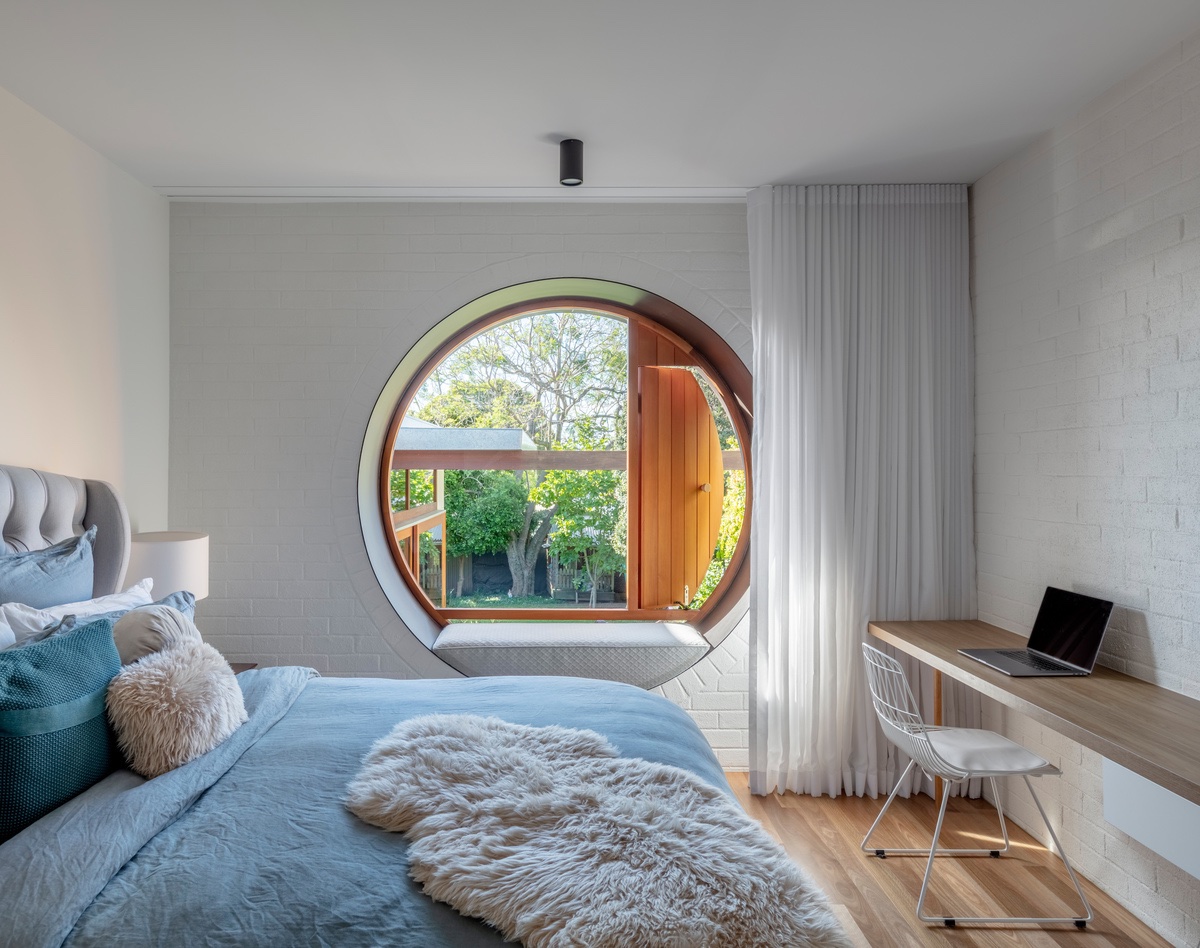
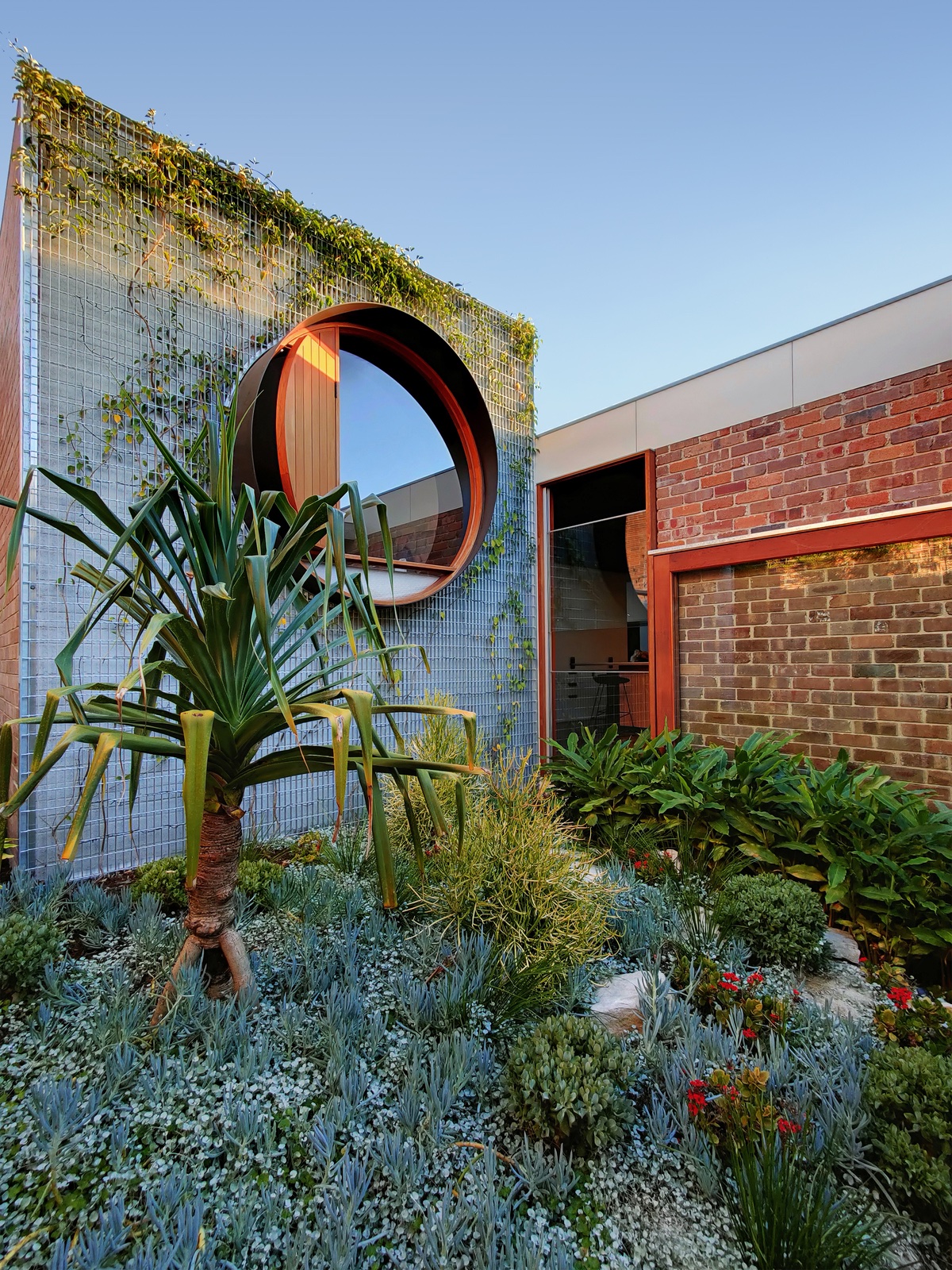
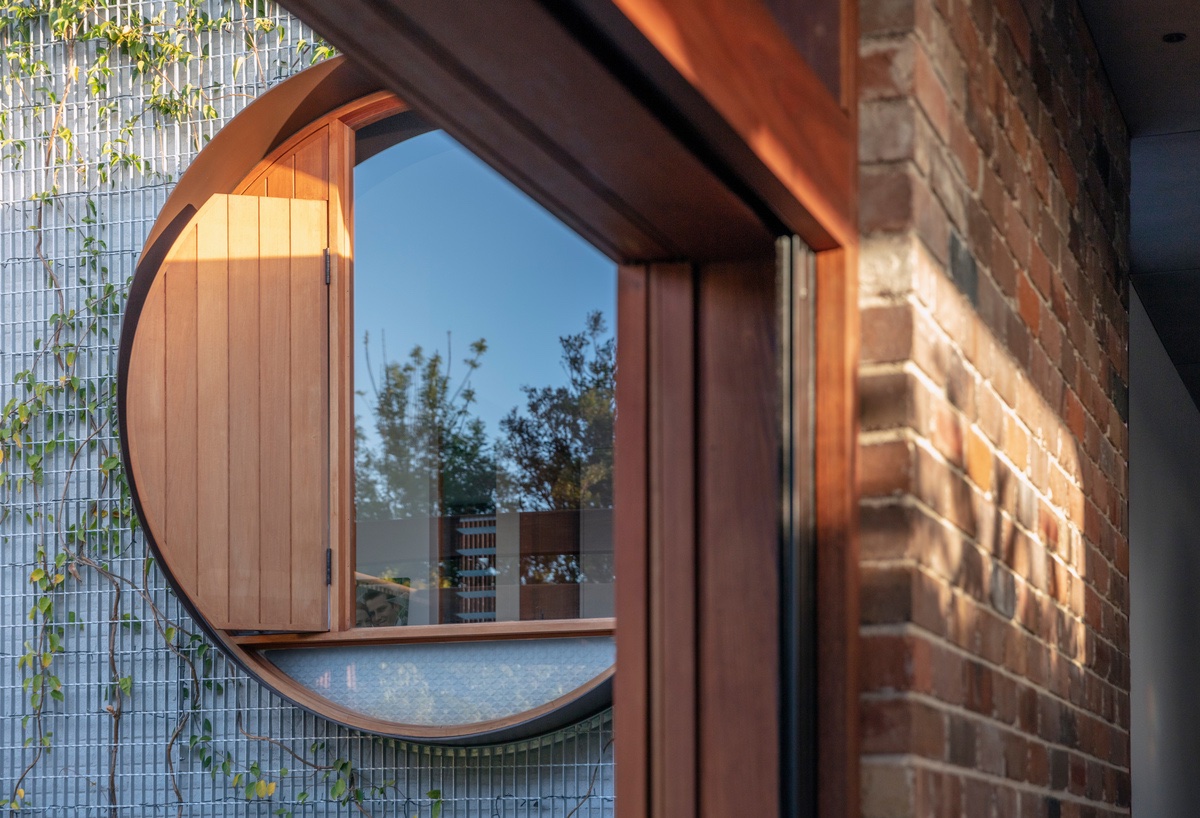
The new home extension features a large round window that accepts a great view of the landscape into the living room.
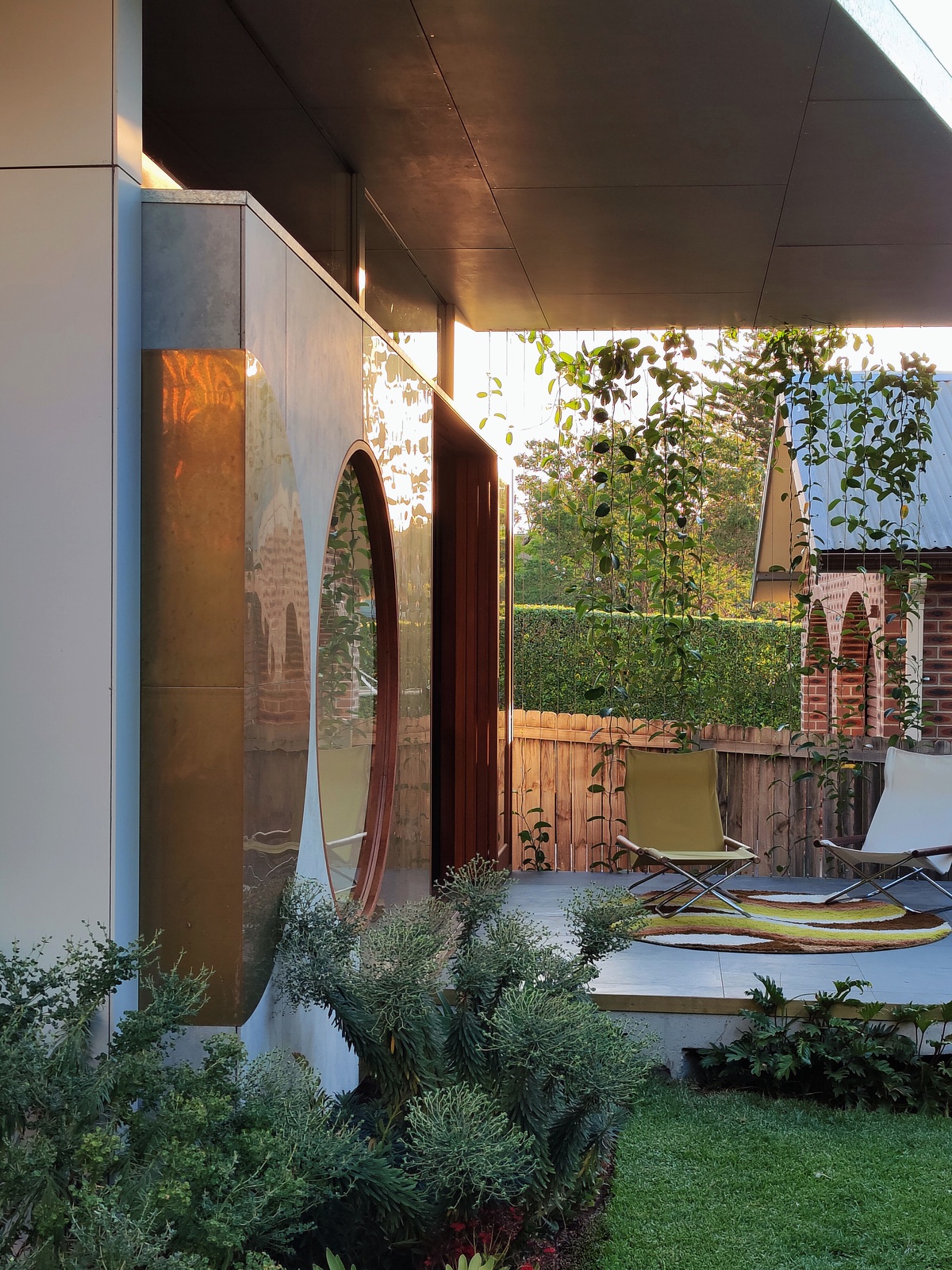
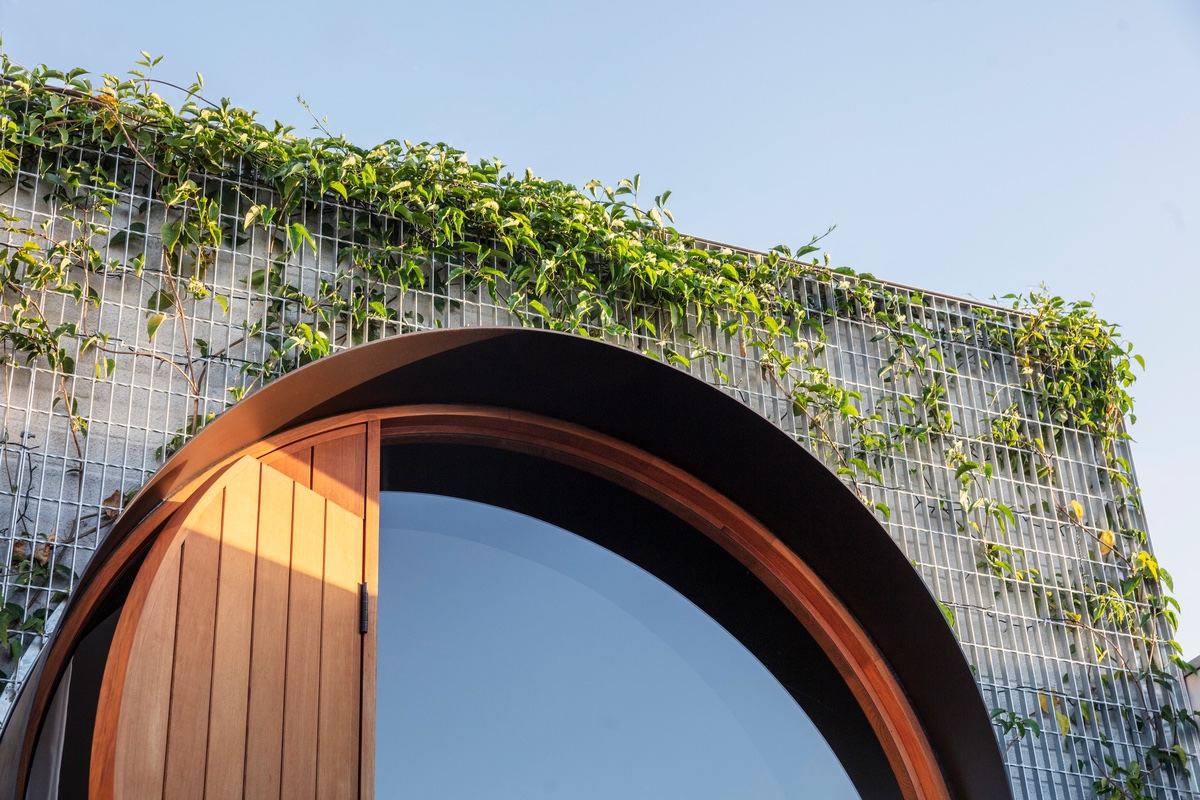
The circular shape is repeated on the face of the building and in the second window behind the external dining room. To achieve the decorative copper cladding with environmental conscious practice in mind, careful calculations were made for the cuts from only two standard panels.
From the outside, the round window designs are an opening into the family’s close-knit lifestyle.
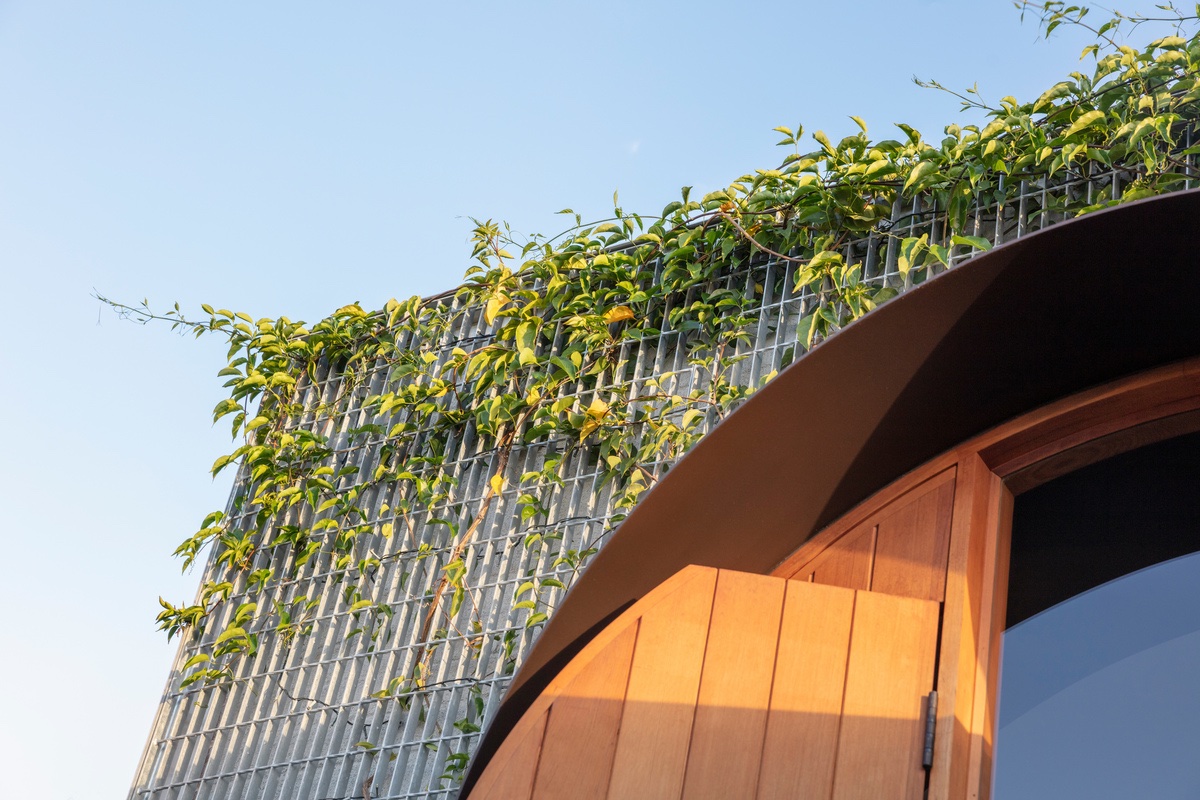
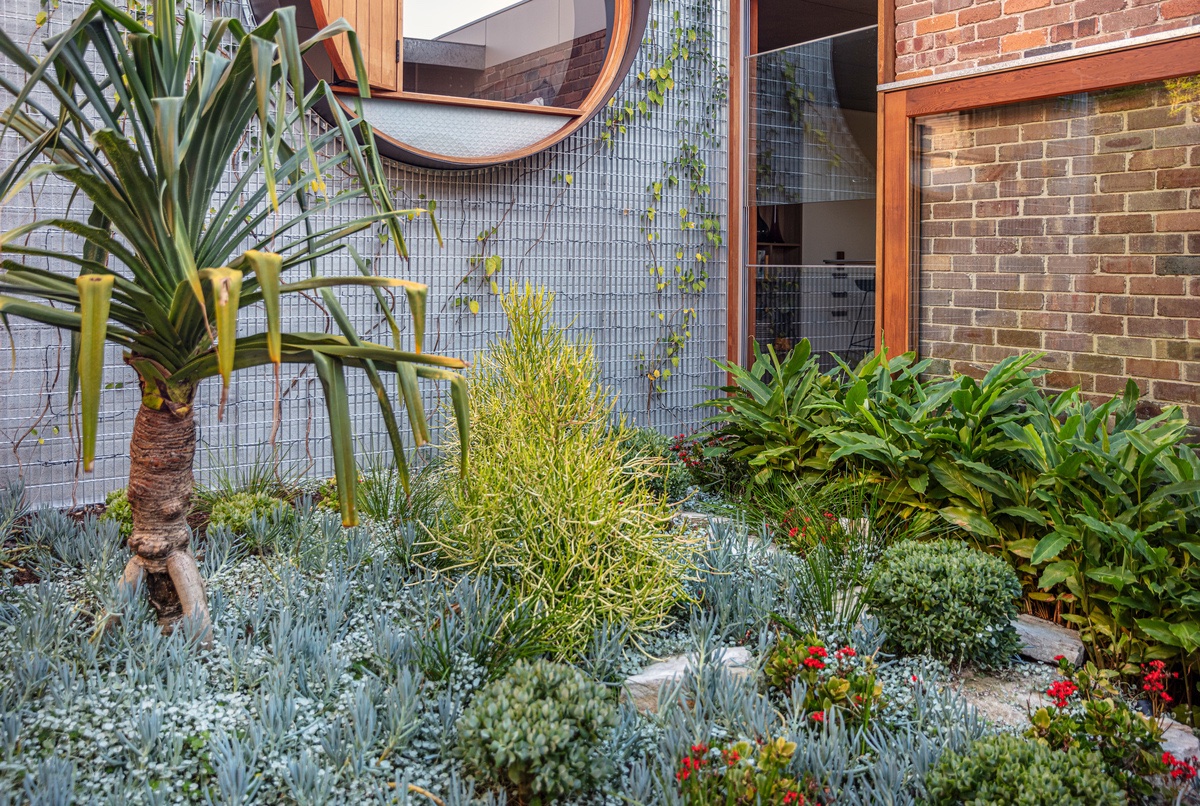
The threshold between the architecture and the garden was stored with the help of the landscape designer. Native plants create a soft border around the patio and climbing plants are meant to cover the master bedroom facade over time.
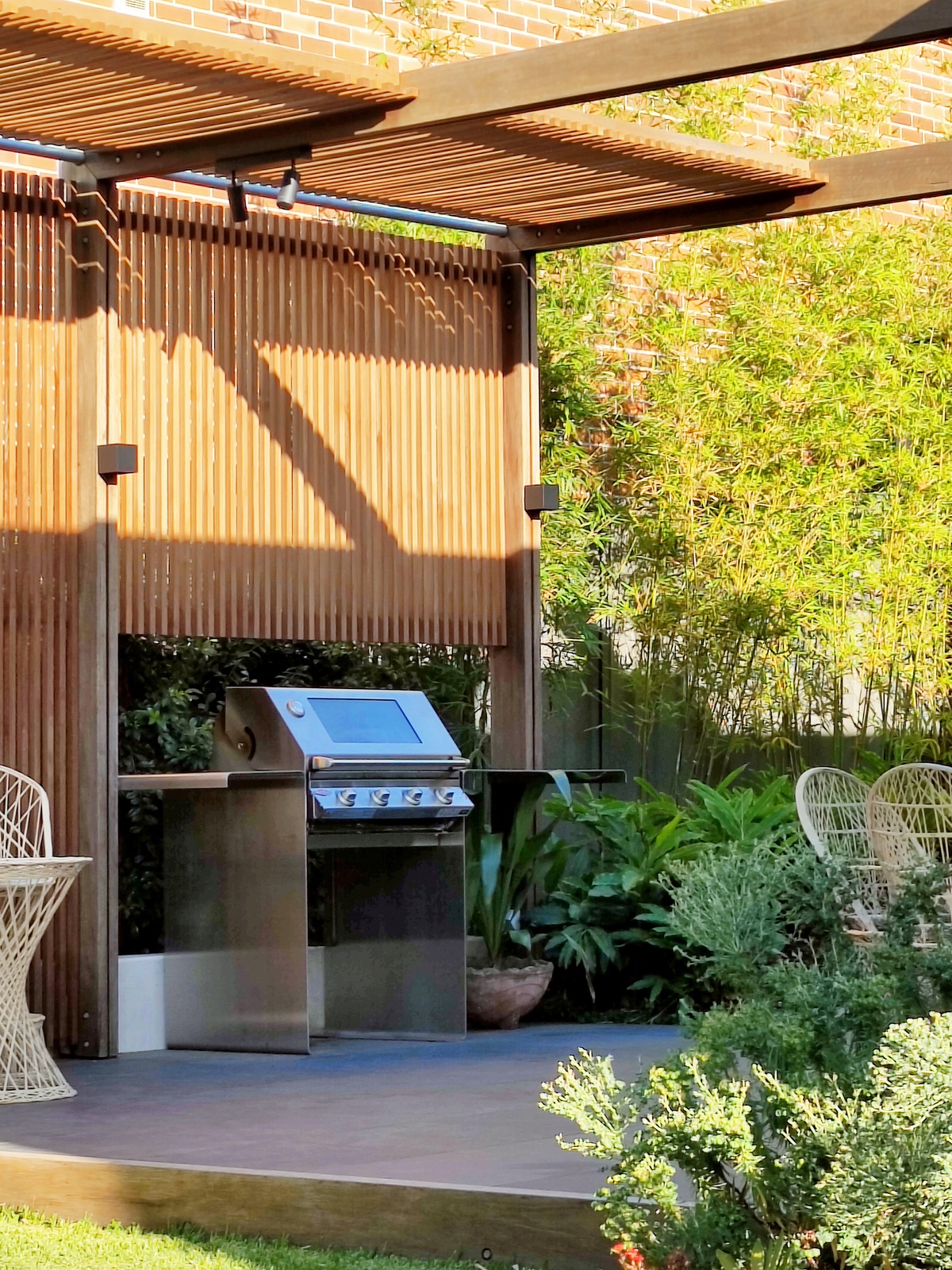
Alongside the outdoor dining set, there is a refined barbecue spot ready to cook outside under a shaded pergola.
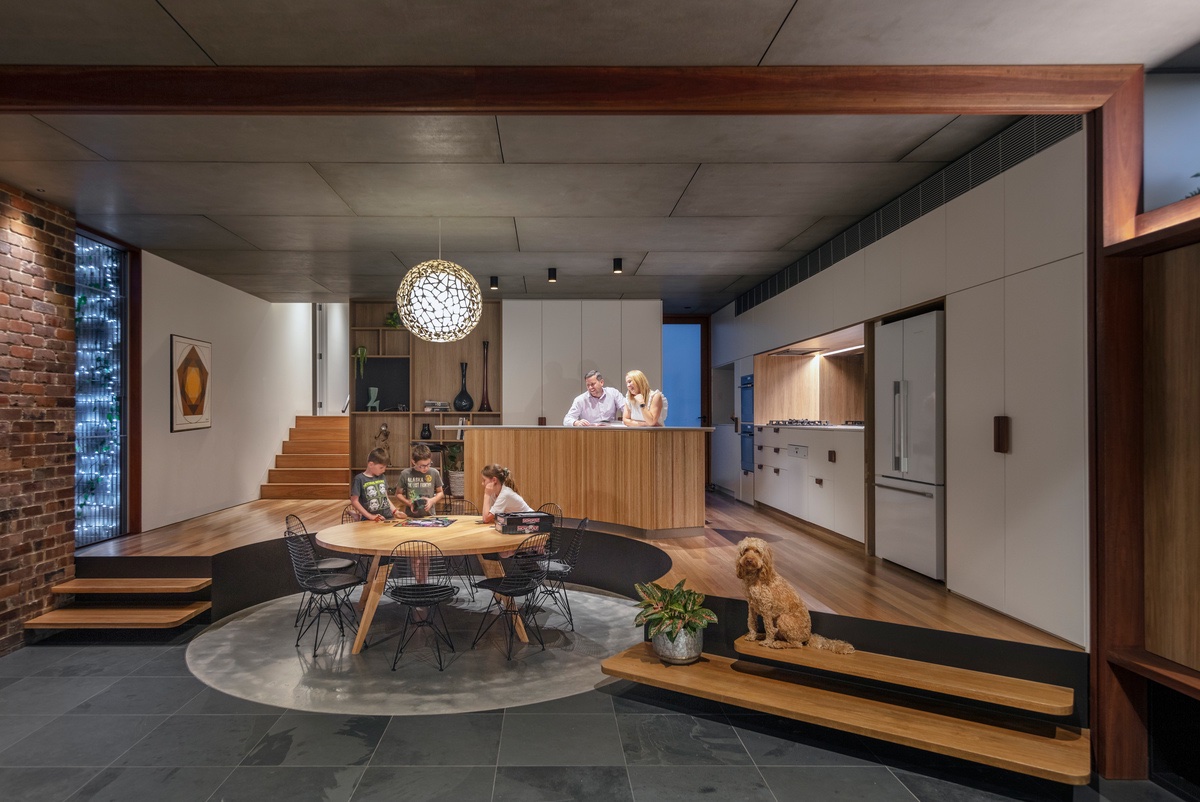
The new home design transformed previously gloomy living areas into a single, open-plan space filled with light. This free-flowing concept granted homeowners desire to be more united with their children.
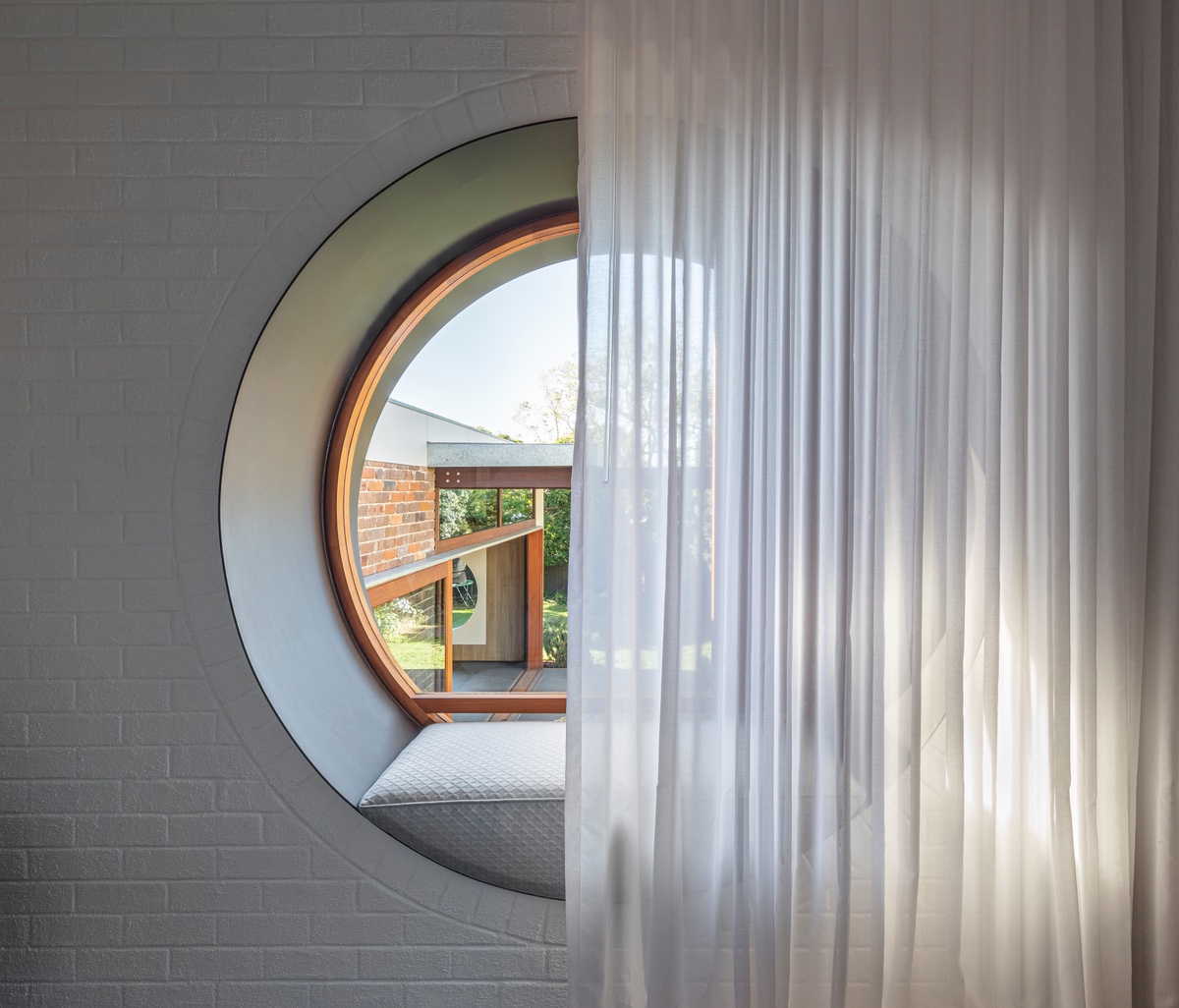
The concept of a round window framing a garden landscape was motivated by the traditional Japanese concept of shaki. Shakkei is the principle of including a background landscape in a garden composition, or “borrowed landscape”. In this case, a large alcove provides a spectacle of calm during the school day and a snapshot of fun family activities in the evenings and weekends.
The curves of the winged chair complement the round window design.
With glass doors receding on each side of the room, there is a fresh breeze throughout the day, as well as the fresh scents and soothing sounds of nature.
Lounge furniture rests on a welcoming white living room rug, providing plush comfort from the living room’s hard-tiled floor.
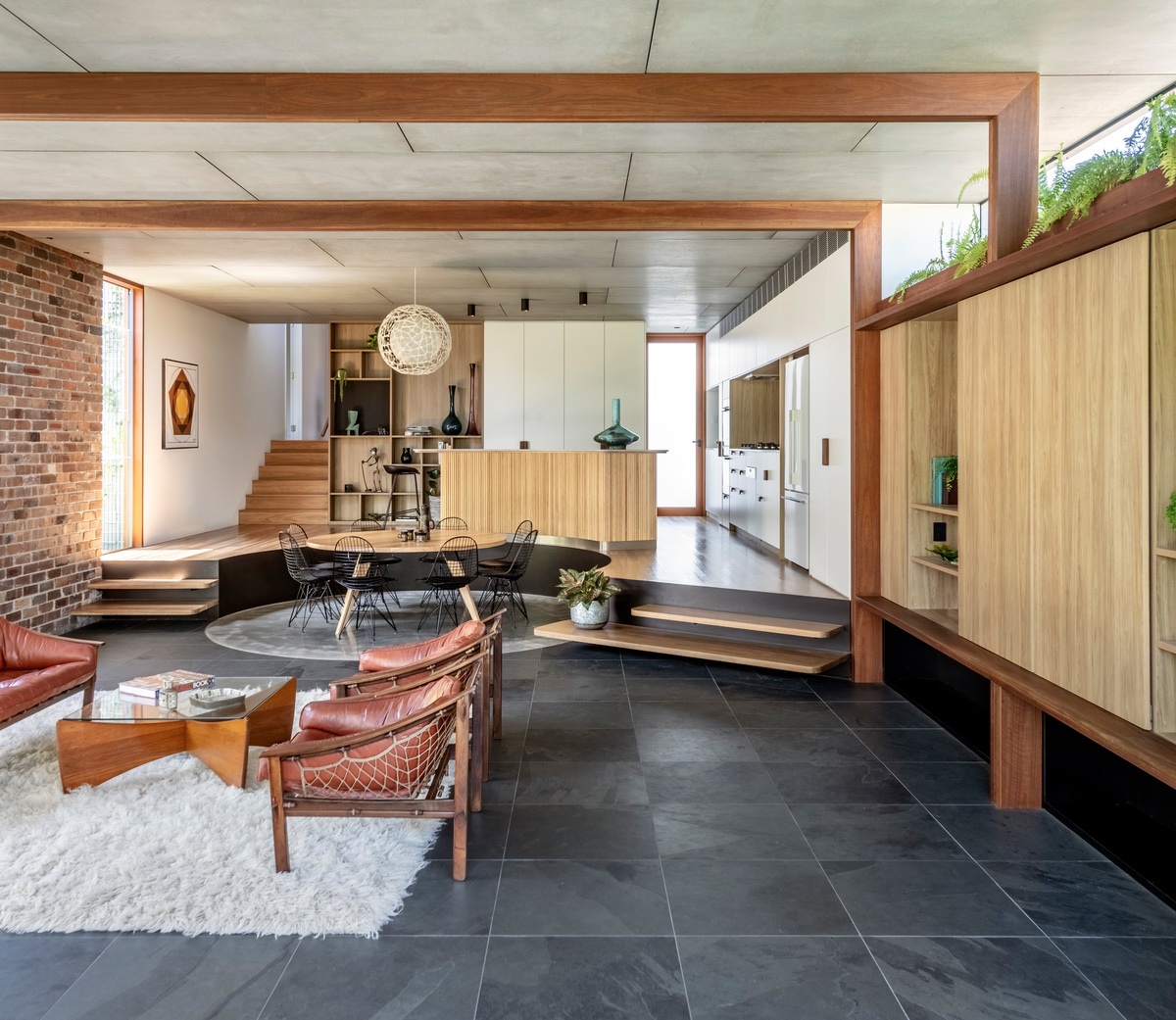
The kitchen is visually separated from the lounge by changing the height of the floor, allowing parents to supervise their children as they play while dinner is cooked.
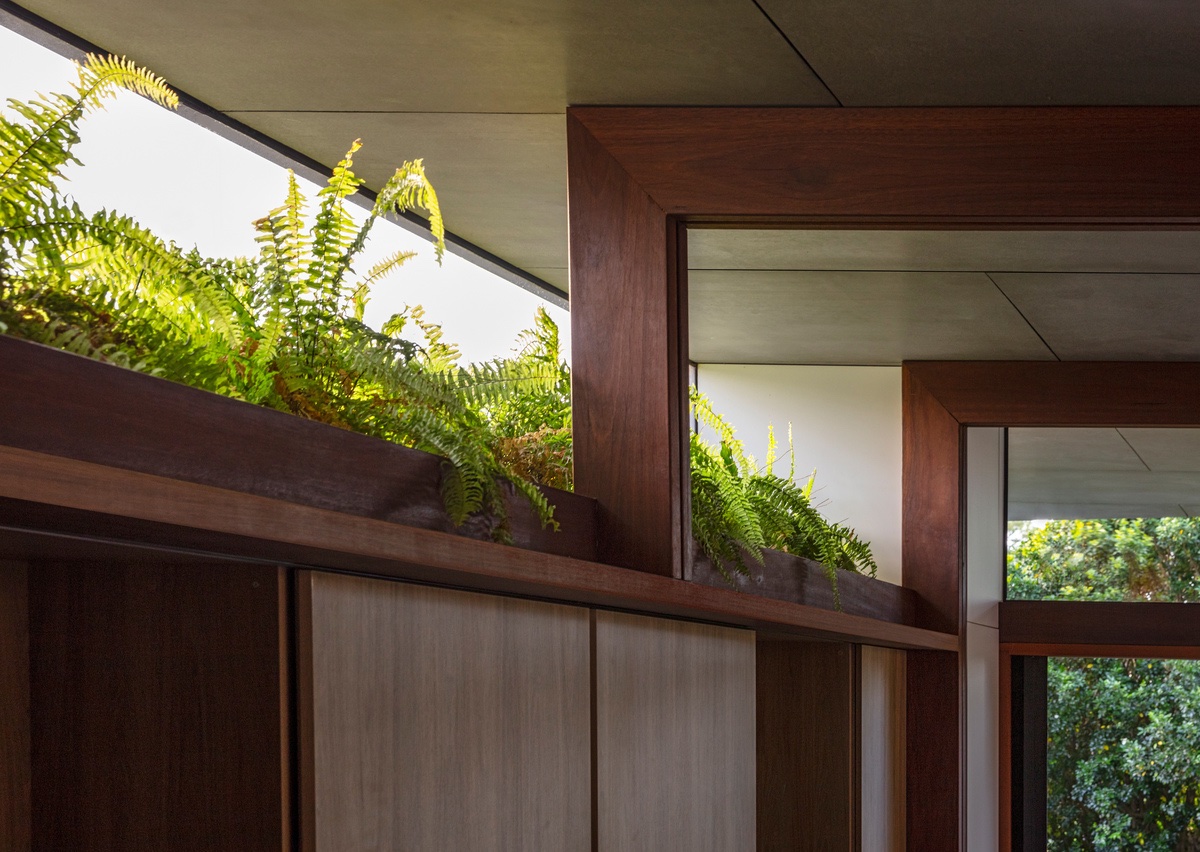
Indoor plants are located along stone-walled window sills to enhance the association with the garden.
Stairs climb the circular kitchen dinner setting on either side, facilitating movement around the main living space for several family members doing various tasks.
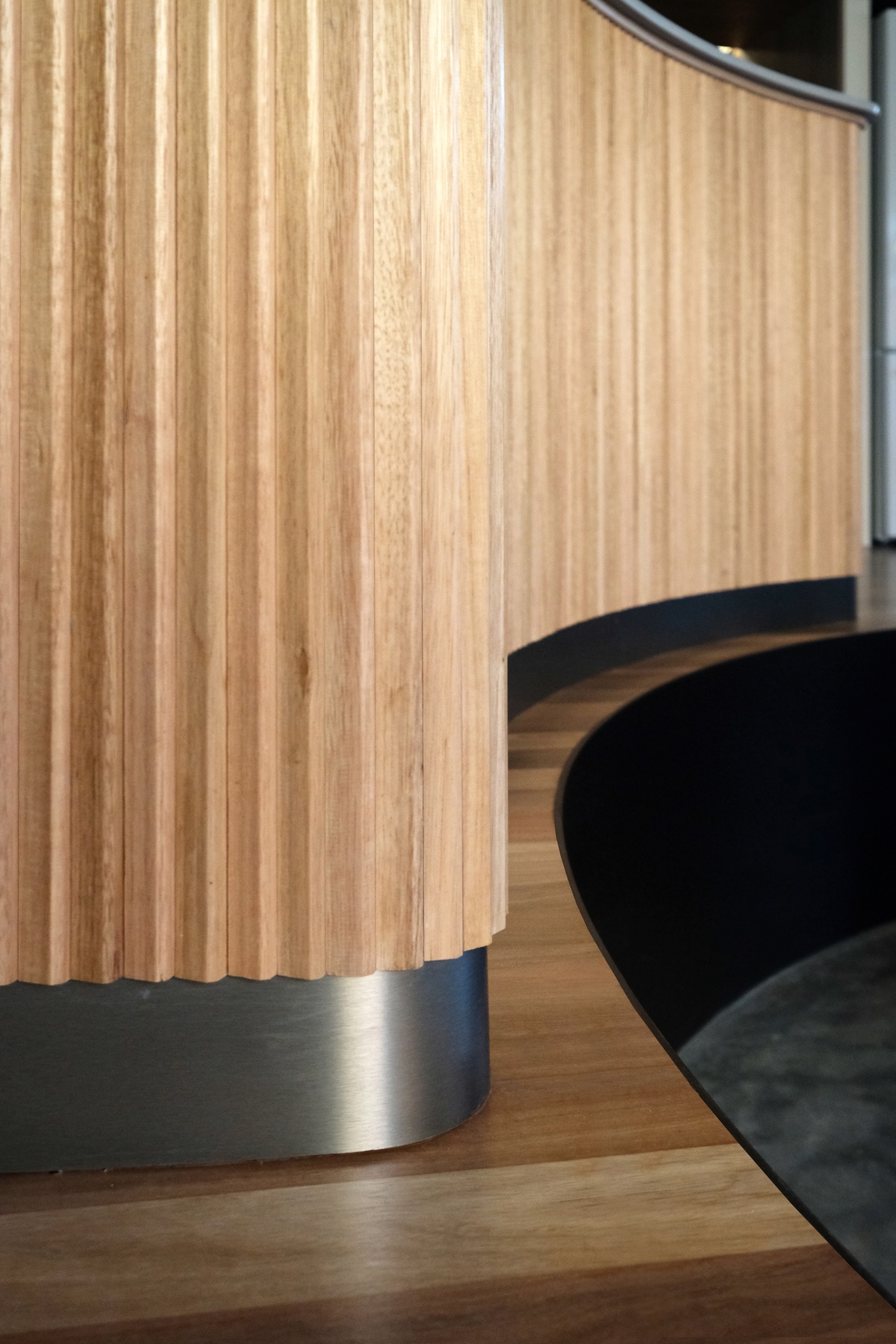
Fluted panels add modern texture to a wooden kitchen design.
In the bedroom, part of the round window was turned on to allow for natural ventilation. The curved frame serves as a fun window seat for kids.
Two layers of blackout blinds to control the level of light and privacy.
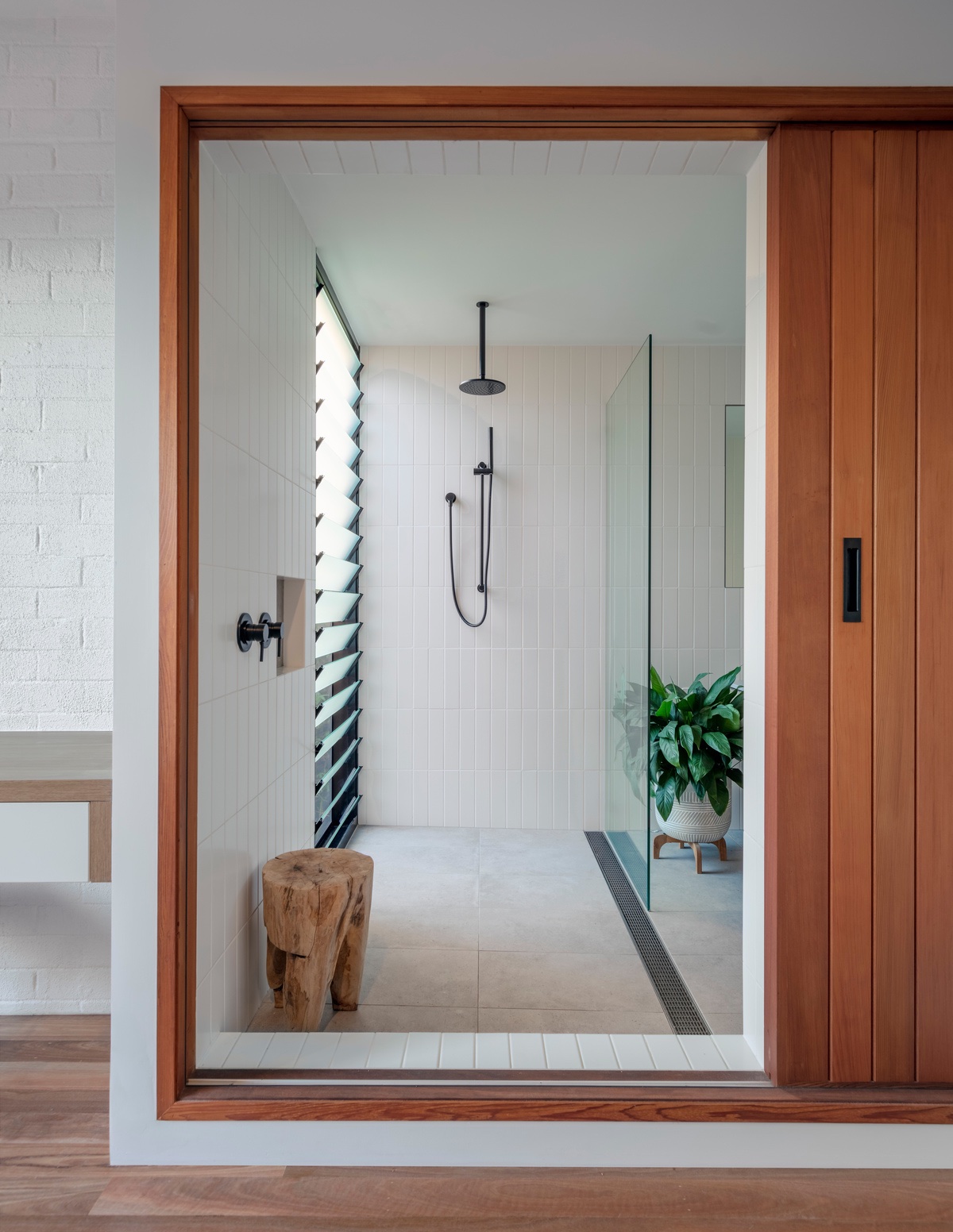
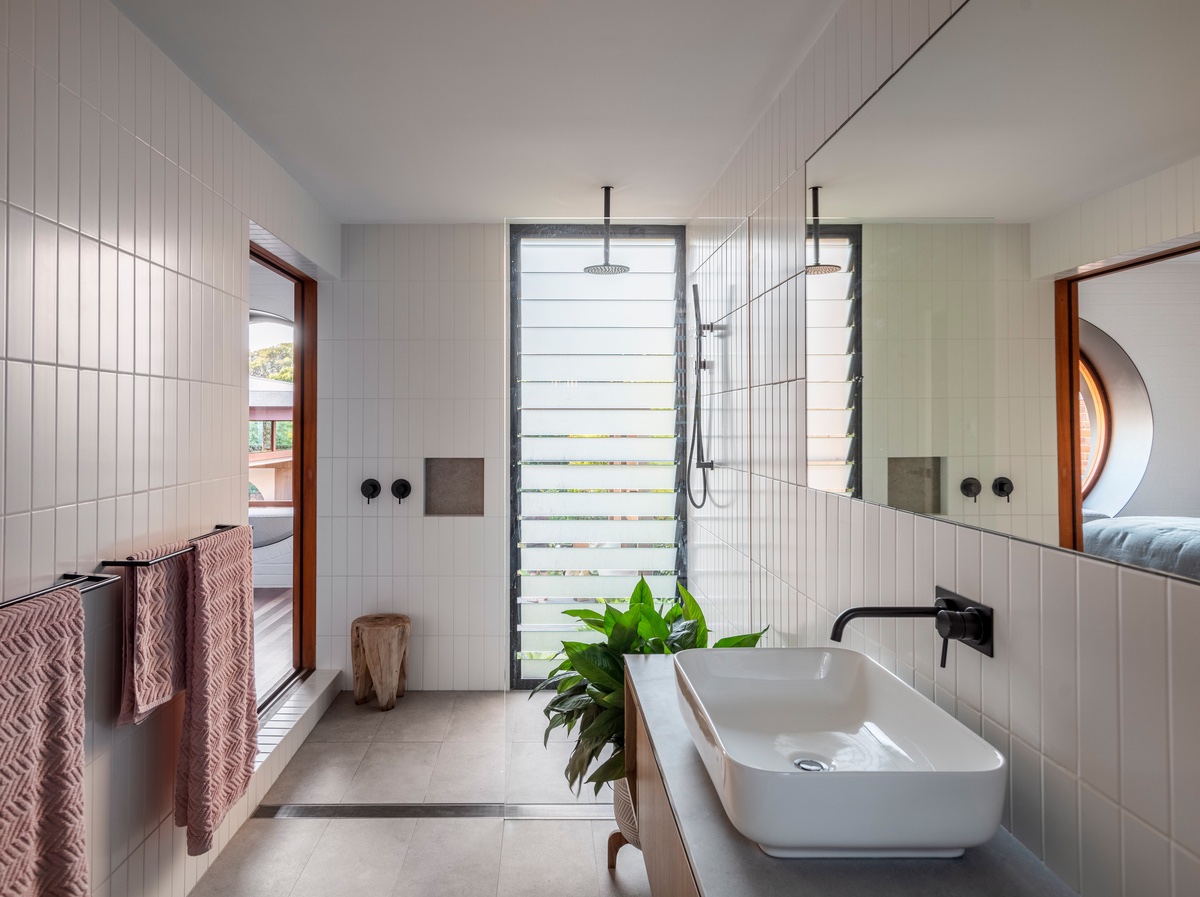
In the master bedroom, a pocket door slides away to reveal an interior design for the shower space.
Moving from the shower area, we come to a unique bathroom sink under a frameless vanity mirror. The walls of the en suite bathroom are covered with vertical subway tiles, making the room seem taller.
All original areas of the house have been upgraded to match the new extension, including a modern landscape design.
The new spaces have improved family life and fun.
Careful consideration was given to the use of materials in the design of the Totoro House, with many existing materials being reused and reused to reduce waste.
This design ethos is in keeping with the family’s sustainable lifestyle.
The daily environmental impact has also been reduced by the inclusion of an 8000 liter rainwater tank.
A 3 kW photovoltaic system was also installed to supply the house with solar energy.
The solar store runs the outdoor lights for a long time at night.
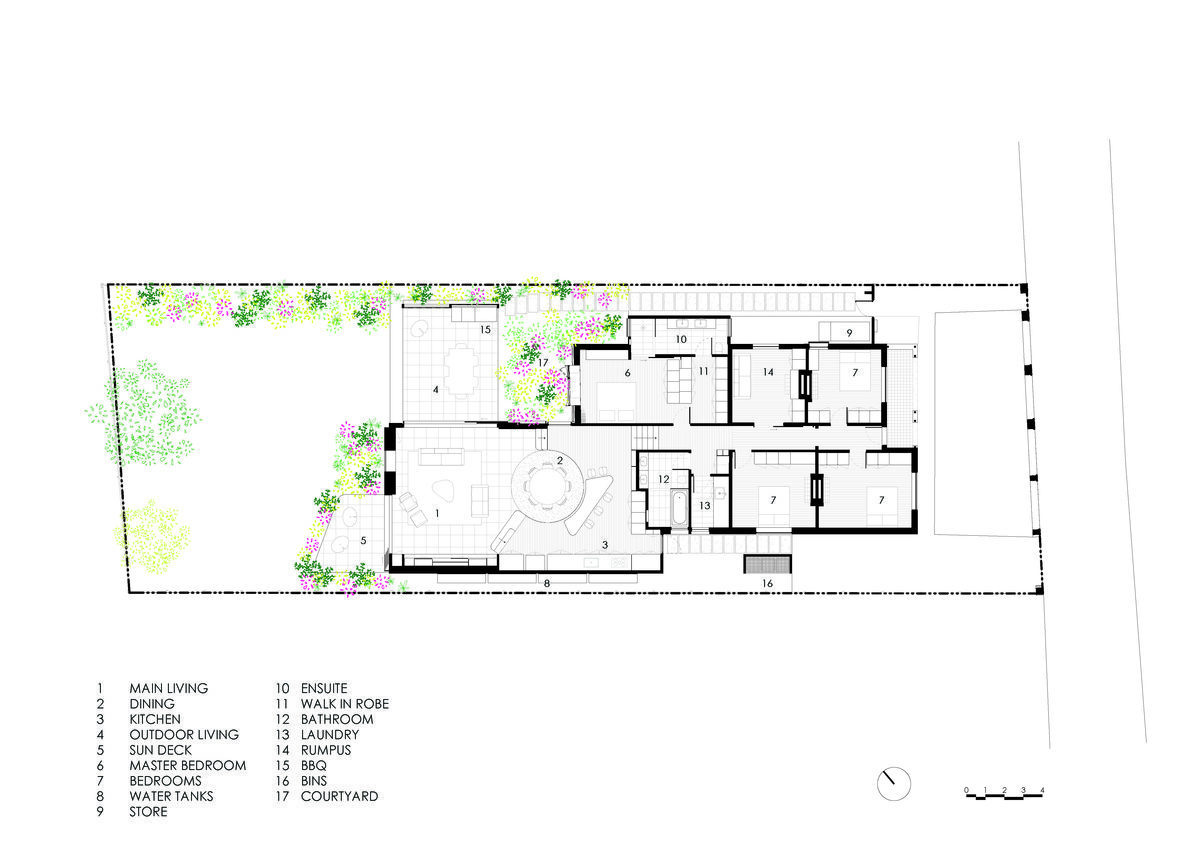
In the floor plan we can see the relationship between the private bedrooms in the original house, the new open plan living room extension, and the garden.
Here’s an atypical home tour that doesn’t use music to support the visuals, but instead embraces the natural sounds of the home’s ambiance.